
Protecting Your Claim After a Car Accident in Sand Springs
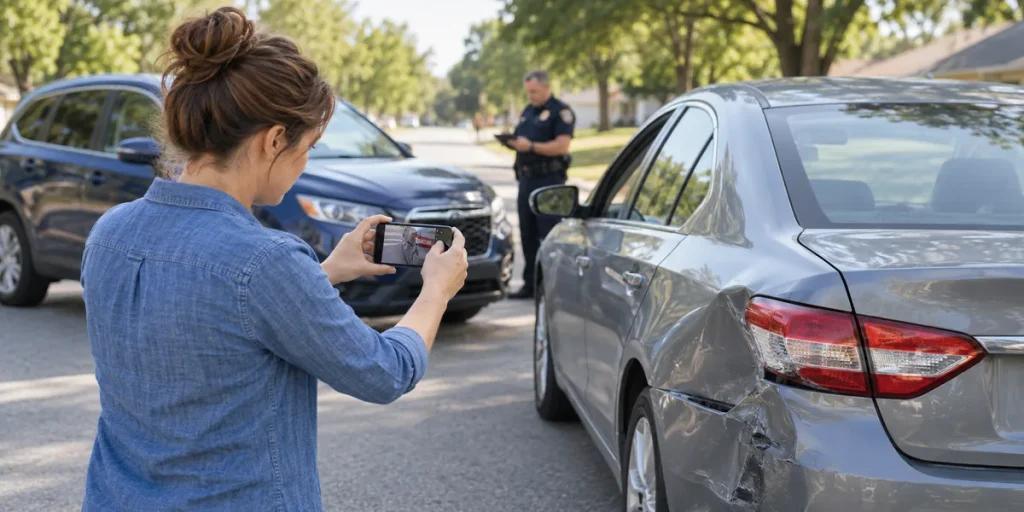
A car accident can leave drivers facing medical bills, vehicle repairs, missed work, and difficult conversations with insurance companies. After a car accident in Sand Springs, the steps you take can affect how well you protect your claim. Knowing what to document, when to seek medical care, and how to respond to an insurance adjuster can help you avoid common mistakes while you recover.
Get Medical Care and Report the Accident
Your health should come first after a collision. Call 911 if anyone has a serious injury or needs emergency assistance. Even when injuries seem minor, consider getting a medical evaluation as soon as possible. Some conditions, including concussions and soft tissue injuries, may not cause clear symptoms immediately.
Medical records also help connect your injuries to the crash. Follow your healthcare provider’s instructions, attend recommended appointments, and keep copies of bills, prescriptions, test results, and treatment notes.
Drivers involved in a crash in Sand Springs should exchange the required information and contact law enforcement when appropriate. A police report can provide useful details about the location, people involved, and initial observations. Ask how to obtain a copy for your records.
The Oklahoma Insurance Department offers practical guidance on filing an auto insurance claim. Reviewing these steps can help you understand what information your insurer may request and how to begin the claims process.
Collect Evidence Before It Disappears
Evidence can become harder to obtain as time passes. If you are physically able and it is safe to do so, gather information at the scene of a Sand Springs car accident.
Photographs can show vehicle damage, road conditions, traffic signals, skid marks, debris, and visible injuries. Take pictures from several angles rather than relying on one image. If nearby businesses or homes have security cameras, their footage may also help establish what happened. Ask about preserving relevant recordings before they are deleted.
Exchange names, contact details, driver’s license information, registration details, and insurance information with the other driver. If witnesses saw the collision, request their names and contact information. An independent witness may help clarify disputed details later.
Keep your original photographs and documents in a safe place. Avoid editing images in ways that remove important information. Save copies of messages, repair estimates, and correspondence with insurers.
Be Careful When Speaking With Insurance Companies
Insurance companies investigate claims to determine coverage, responsibility, and the amount they may owe. Their questions may seem routine, but your answers can become part of the claim file.
Report the accident to your insurer promptly and provide accurate information. When speaking with the other driver’s insurance company, stick to facts you know. Do not guess about vehicle speeds, distances, or events you cannot remember clearly.
Avoid making statements such as “I am completely fine” before you understand your injuries. Similarly, do not accept blame simply because you feel upset or believe you could have reacted differently. The facts, available evidence, and applicable law should guide decisions about responsibility.
An adjuster may request a recorded statement or ask you to sign documents. Before agreeing, make sure you understand what is being requested and how the information may be used. If you have significant injuries or fault is disputed, consider seeking legal advice before providing a detailed statement to the opposing insurer.
Do Not Rush Into a Settlement
A quick settlement may appear attractive when medical expenses and lost income begin to build. However, accepting an offer too early can create problems if your treatment continues or new complications develop.
Before evaluating an offer, consider the full effect of the accident. Relevant losses may include emergency care, follow-up treatment, medication, rehabilitation, vehicle repairs, lost wages, and reduced ability to perform everyday activities. Serious injuries may also affect future earning capacity and require long-term care.
Keep records of time missed from work and any changes to your normal responsibilities. If your injury prevents you from completing household tasks or participating in regular activities, record those effects as well.
Ask the insurer to explain how it calculated its offer. Review which expenses are included, whether future losses have been considered, and what rights you would give up by signing a release. Once a settlement agreement is finalized, you may not be able to seek additional payment for injuries covered by that agreement.
Understand Oklahoma’s Rules on Fault
Oklahoma follows a modified comparative negligence system. This means a person’s share of responsibility can affect the compensation available for an injury claim. Under Oklahoma law, an injured person generally cannot recover damages if their negligence is equal to or greater than the negligence of the person against whom they seek recovery.
For example, if a driver is found 20 percent responsible for a collision and the total damages are $50,000, the recoverable amount may be reduced to $40,000. The actual result depends on the evidence, applicable law, and the facts of the case.
Insurance companies may disagree about who caused a crash. They might point to vehicle damage, traffic rules, witness accounts, or statements made after the collision. Preserve evidence that supports your account and avoid assuming that an insurer’s fault decision is final.
For a Sand Springs driver facing a disputed claim, understanding how comparative negligence applies can be important when reviewing a settlement or considering further legal action.
Keep Organized Records of Every Loss
A clear record of the accident and its effects can make the claims process easier. Create a folder for paperwork and save digital copies when possible. Include medical bills, repair invoices, receipts for accident-related expenses, wage statements, and insurance correspondence.
A simple recovery journal can also help. Record pain levels, treatment appointments, physical limitations, and activities you can no longer complete comfortably. Write factual entries and avoid exaggerating symptoms.
If the insurer asks for additional documents, keep a copy of everything you submit and note the date. Save claim numbers, adjuster contact details, and summaries of important phone conversations.
Organization matters because a claim may continue for months. Having information readily available helps you answer questions accurately and identify missing records before making major decisions.
Pay Attention to Deadlines
Legal deadlines can limit how long you have to bring a personal injury lawsuit. In Oklahoma, the general statute of limitations for many personal injury claims is two years, although exceptions may apply. Different rules can affect claims involving government entities, minors, or other special circumstances.
Do not assume that ongoing insurance negotiations pause the legal deadline. A claim can still face a filing deadline even when an adjuster continues discussing settlement.
Property damage claims may involve different legal considerations. The deadline that applies to your situation depends on the type of claim and the relevant facts, so confirm it rather than relying on a general estimate.
If a crash in Sand Springs caused serious injuries, disputed liability, or lasting financial losses, getting legal guidance early can help you understand the deadlines and evidence that may matter.
When Legal Guidance May Help
Not every collision requires an attorney. However, legal guidance may be useful when injuries are serious, an insurer disputes fault, settlement offers do not reflect documented losses, or several parties may share responsibility.
A lawyer can review the available evidence, explain Oklahoma law, organize supporting records, communicate with insurers, and assess whether an offer reasonably accounts for the losses claimed. Ask about fees, the expected process, and what assistance is available before deciding how to proceed.
Drivers seeking help after a Sand Springs collision can learn more about their options by reviewing the information available from a local car accident law firm. The right approach will depend on the injuries, insurance coverage, evidence, and circumstances of the crash.
Protect Your Recovery and Your Claim
After a car accident in Sand Springs, taking a few careful steps can help protect your interests. Seek medical care, report the collision when required, preserve photographs and records, communicate carefully with insurers, and review settlement terms before signing.
Keep track of your expenses and pay attention to legal deadlines. If questions arise about fault, compensation, or an insurance company’s response, consider obtaining advice from a qualified Oklahoma attorney. Careful preparation can help you make informed decisions while focusing on your recovery.