What Injured Drivers Should Do After a Truck Accident in Fort Myers
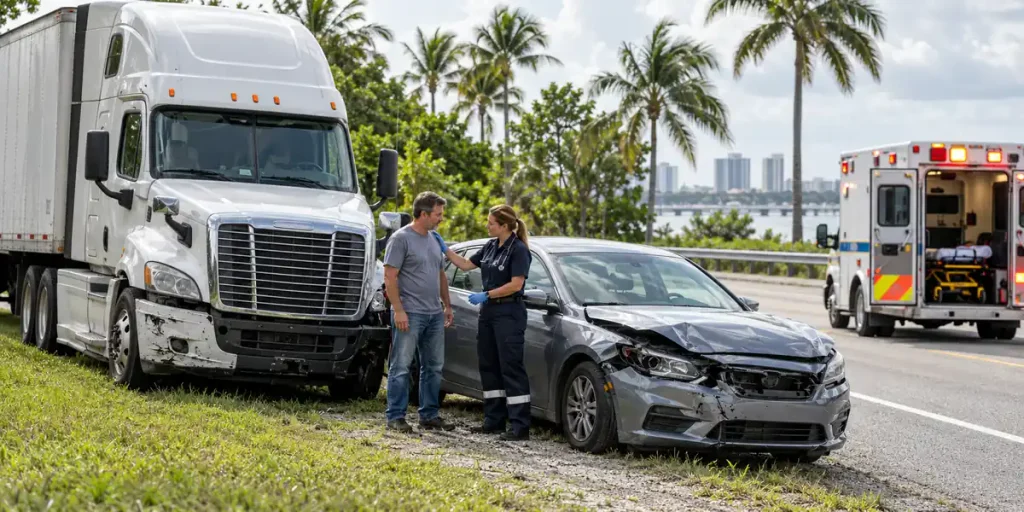
A collision with a commercial truck can leave drivers facing painful injuries, vehicle damage, lost income, and questions about what to do next. Knowing the right steps to take after a collision can help protect your health and preserve important information for a potential insurance claim. If you have been injured in a commercial truck crash, Fort Myers Truck Accident Lawyers can help you understand your legal options. Although every crash is different, injured drivers in Fort Myers can take practical steps to get medical care, document what happened, and understand their options. Acting carefully in the hours and days after a collision can make the recovery process easier to manage.
Put Safety and Medical Care First
The first priority after a truck accident is safety. If you can move without risking further injury, check yourself and your passengers for immediate danger. Call emergency services if anyone is hurt, a vehicle is blocking traffic, or the crash has created a dangerous situation.
Do not attempt to move an injured person unless there is an immediate threat, such as fire. Wait for trained responders when possible. If your vehicle can be moved safely, follow emergency instructions and get away from active traffic.
Some injuries are not obvious at the scene. Head injuries, internal bleeding, and damage to the neck or back may not cause severe symptoms right away. Adrenaline can also make pain harder to notice. Seek prompt medical attention, even if you initially believe the collision was minor.
Follow your healthcare provider’s instructions and attend recommended follow-up appointments. Keep copies of medical records, prescriptions, test results, and bills. These documents can help explain the nature of your injuries and the treatment they require after a truck accident in Fort Myers.
Report the Collision and Cooperate With Responders
Contact the appropriate authorities and provide accurate information about the crash. A police report may record the parties involved, witness details, road conditions, and the responding officer’s observations. Ask how you can obtain a copy of the report once it becomes available.
When speaking with officers, describe what you remember without guessing about details you cannot confirm. If you do not know how the collision happened, say so. Avoid accepting blame or making assumptions about another driver’s actions before the facts are clear.
Exchange contact, insurance, registration, and vehicle information with the other driver when it is safe and appropriate. For a commercial truck, record the trucking company’s name, the truck’s identifying information, and any available details about the trailer.
If witnesses saw the collision, ask for their names and contact information. Independent accounts may help clarify events when the drivers involved remember things differently. These details can be useful when investigating a truck accident claim in Fort Myers.
Preserve Evidence From the Accident Scene
Useful evidence can disappear quickly after a truck accident. Vehicles may be repaired, road debris may be cleared, and witnesses may become difficult to reach. When it is safe to do so, collect basic information before leaving the scene.
Photograph vehicle damage, visible injuries, skid marks, road signs, traffic signals, and the surrounding roadway. Capture several angles rather than relying on one image. If weather, poor lighting, or a road hazard contributed to the crash, document those conditions when possible.
Save the names of responding officers, emergency personnel, and witnesses. Keep any documents given to you at the scene. If you cannot gather evidence because of your injuries, ask a trusted person to help when appropriate.
Do not put yourself in danger to take photographs or approach a damaged truck. Your safety matters more than any picture. Investigators may also be able to obtain information from vehicle inspections, electronic records, and other sources.
The National Highway Traffic Safety Administration explains how crash investigators document physical evidence and review medical information in its Crash Investigation Sampling System overview.
Keep Detailed Records of Your Recovery
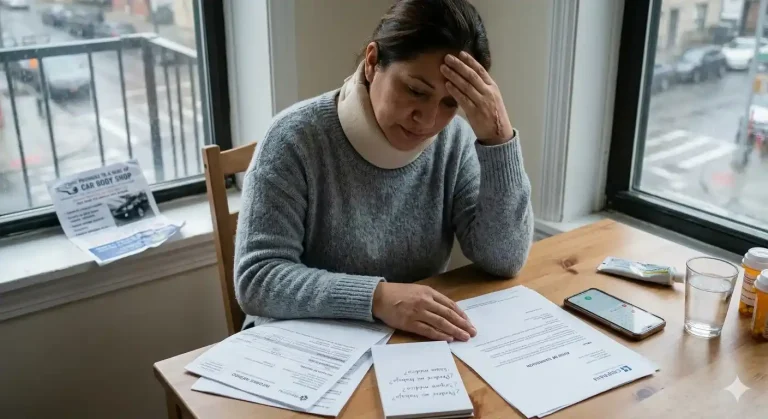
Good recordkeeping can help injured drivers understand their expenses and explain how an accident has affected daily life. Start a dedicated folder for accident-related documents, either on paper or digitally.
Include medical bills, receipts for prescriptions, transportation costs, repair estimates, towing charges, and insurance correspondence. If you miss work, keep pay statements, employer records, and other documents showing lost earnings.
You may also find it useful to maintain a simple recovery journal. Record your symptoms, medical appointments, physical limitations, and changes in your ability to perform everyday tasks. For example, note whether back pain prevents you from lifting groceries or whether a head injury makes it difficult to concentrate at work.
Keep entries factual and consistent. These notes can help you remember details during medical appointments and provide a clearer account of your recovery if questions arise later.
Accurate documentation can be particularly helpful if you need to explain how a collision in Fort Myers affected your health, employment, and everyday responsibilities.
Be Careful When Speaking With Insurance Companies
Insurance companies may contact drivers soon after a collision to request information, review vehicle damage, or discuss a claim. You should provide accurate information, but take time to understand what you are being asked to provide.
You may need to notify your own insurer according to your policy. Keep a record of each conversation, including the representative’s name, the date, and any requested documents.
Be cautious about giving a recorded statement to another insurer before you understand the circumstances and extent of your injuries. A rushed explanation may leave out important facts, especially when you are in pain or still receiving medical treatment.
Never guess about your recovery time or agree that you are fully healed when your medical condition remains uncertain. Avoid signing documents or accepting a settlement without understanding the terms.
An early settlement may not account for future treatment, continuing symptoms, lost earning capacity, or other expenses that become clear later. Once you accept certain settlements, you may have limited ability to seek additional compensation. The effect depends on the agreement and applicable law.
Understand Who May Be Responsible
Truck accident claims can involve more than one potentially responsible party. Depending on the evidence, responsibility may rest with the truck driver, the trucking company, a maintenance provider, a cargo loading company, or another party.
For example, a driver may have been speeding, distracted, or too tired to operate the vehicle safely. A company may have failed to maintain its fleet properly, while an improperly secured load may have contributed to a loss of control.
However, the fact that a truck was involved does not automatically establish who caused the crash. Investigators must examine the available evidence and apply the relevant legal rules.
Important information may include driver logs, vehicle maintenance records, inspection reports, cargo documentation, electronic data, and company policies. Some records may be controlled by the trucking company or other parties.
An injured driver may benefit from learning which records could be relevant and how they can be preserved. A lawyer familiar with commercial truck accident claims in Fort Myers can explain the available options and whether further investigation is appropriate.
Pay Attention to Deadlines and Legal Options
Legal deadlines can affect whether an injured person can bring a claim. The applicable time limit depends on the jurisdiction, the type of claim, and the parties involved. Special rules may apply when a government entity is involved.
Do not assume you have plenty of time simply because you are still receiving treatment or negotiating with an insurer. Insurance discussions do not necessarily pause a legal deadline.
An attorney can review the facts, explain the rules that apply, and help identify steps that may protect your rights. If the crash caused serious injuries, early legal guidance may also help with evidence preservation and communication with insurers.
Before choosing a lawyer, ask about experience handling commercial truck collisions, the investigation process, communication practices, fees, and the potential challenges of your case. If your accident occurred in Fort Myers, choosing a lawyer familiar with the relevant Florida laws may help you understand the process.
Avoid Common Mistakes After a Truck Accident
Small decisions after a collision can create unnecessary problems. Avoid the following mistakes:
- Delaying medical care or ignoring symptoms that develop later.
- Discarding receipts, medical records, photographs, or insurance letters.
- Posting detailed comments about the accident or your recovery on social media.
- Guessing about faults or signing documents you do not understand.
- Repairing or disposing of important evidence without documenting the damage when possible.
- Missing medical appointments or ignoring treatment instructions without discussing concerns with your provider.
These precautions do not guarantee a successful claim, but they can help you maintain accurate records and avoid preventable complications after a truck crash in Fort Myers.
Focus on Recovery While Protecting Your Options
Recovering from a truck accident can take time. Some people return to normal activities within weeks, while others need surgery, rehabilitation, or long-term care. Financial pressure and uncertainty can make this period even harder.
Create a manageable plan that prioritizes medical treatment, essential expenses, and important paperwork. Ask family members or trusted friends for help with transportation, household tasks, or organizing documents when needed.
If you have questions about insurance coverage, liability, or possible compensation, seek reliable guidance rather than relying on assumptions. Keep copies of important communications and respond to legitimate requests within applicable deadlines.
The most important steps after a truck accident are straightforward: protect your safety, get medical care, report the collision, preserve evidence, maintain accurate records, and understand your legal options. Taking these steps can help injured drivers in Fort Myers make informed decisions while focusing on their health and recovery.