
Film Washing and Recycling System: Complete Industrial Guide
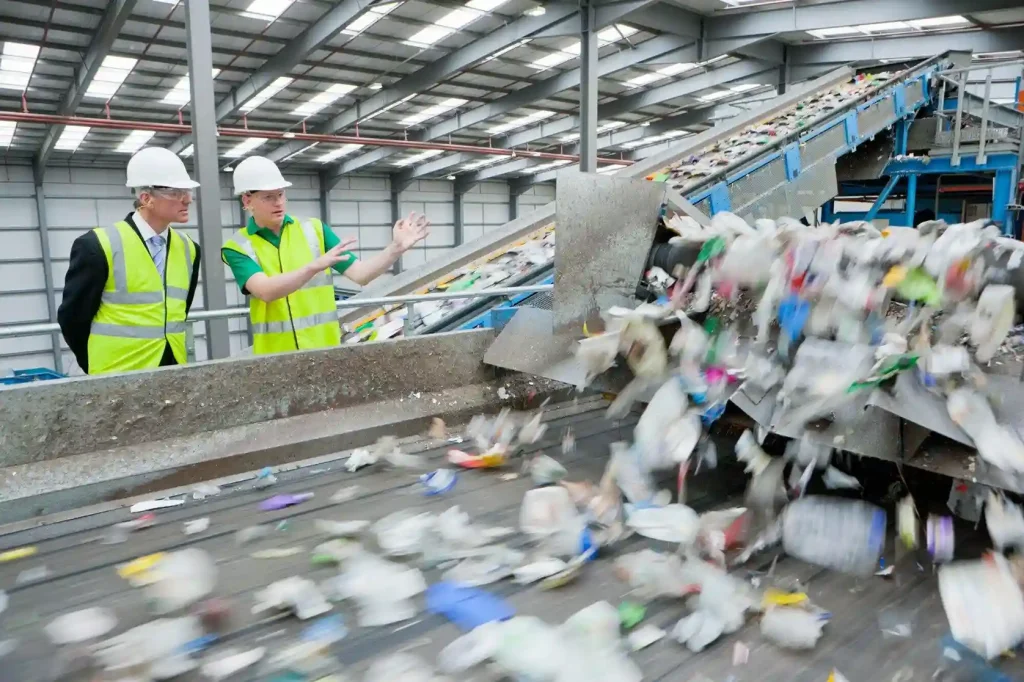
Have you ever wondered how plastic film waste is cleaned and turned into useful material again? Many industries use plastic films, which creates a large amount of waste every day. Without proper recycling, this waste can harm the environment and take up valuable space.
Film washing and recycling systems offer a practical way to solve this problem. These systems clean, process, and prepare plastic for reuse in new products. Understanding how they work can help improve efficiency and sustainability.
This guide will explain the full process, key equipment, and benefits of film washing and recycling systems. Keep reading!
Understanding Film Recycling Systems
Systems that recycle films are made to handle thin plastics like bags and wraps. Most of the time, these materials are light and easy to get dirty or stuck on things. The system cleans them and gets them ready to be used again.
Usually, the first step is to gather and sort the plastic films. This keeps the recycling process going smoothly by making sure that only good materials move on. Sorting things correctly makes the system work better as a whole.
Recycling systems help the environment and cut down on waste. They let plastic be used again instead of being thrown away. This helps make business practices more environmentally friendly.
Key Stages of the Recycling Process
There are several important steps in the recycling process that all work together. The material is ready for the next step in the system after each stage. These steps make sure the result is clean and usable.
Shredding is often the first step because it breaks down the plastic into smaller pieces. When you wash them, smaller pieces are easier to clean and move around. This makes the system work better as a whole.
It is washed and dried after it is shredded. These steps clean the plastic and get it ready to be used again. High-quality recycled materials are made with the right processing.
Role of Washing in Recycling
It is very important to wash the film before recycling it. It cleans the plastic by getting rid of dirt, oil, and other impurities. To make good recycled products, you need to use clean materials.
Cleansers and water are used at this stage. For better results, the process may include more than one step of washing. The cleanliness of the material gets better with each step.
Good washing also cuts down on flaws in the finished product. It makes sure that recycled plastic meets certain standards of quality. This step is very important to the whole system.
Essential Equipment Used
In film washing and recycling systems, different kinds of tools are used. During the process, each machine does a certain job. They work well together to make a complete system.
Shredders, washers, dryers, and conveyors are all common pieces of equipment. It takes all of these machines working together to move and work on things. The right tools make sure that everything runs smoothly.
Companies like KITECH are working on some very advanced systems to make things work better and more efficiently. Modern tools help cut down on energy use and boost the quality of the work they do. Technology is a big part of how well recycling works.
Importance of Drying Systems
After washing plastic films, it’s important to let them dry. Taking away the moisture makes sure the material is ready to be worked on further. Plastic that is too wet can lower the quality of the final product.
Systems that dry things use air or heat to get rid of the water. The plastic must not be damaged, so this process must be kept under control. Drying correctly makes everything work better.
A good drying system helps keep the quality of the material. That way, recycled plastic can be used to make new things. This step helps recycling work reliably.
Improving Efficiency in Recycling
Recycling systems need to be efficient to cut costs and get better results. Processes that are well thought out save time and energy. This leads to more work getting done.
Regularity can be improved, and work can be done by machines instead of people. Machines are better at moving large amounts of stuff with less effort. This makes the system more likely to work.
Maintaining performance is also helped by doing regular maintenance. Keeping equipment in good shape stops problems and delays. Systems that work well get better results.
Environmental Benefits of Film Recycling
Film recycling helps reduce the amount of plastic waste in landfills. This supports cleaner and healthier environments. Recycling also reduces the need for new raw materials.
Using recycled plastic saves energy compared to producing new materials. It also lowers carbon emissions and environmental impact. These benefits support sustainability goals.
Recycling systems play a key role in managing waste responsibly. They help industries reduce their environmental footprint. This creates long-term positive effects.
Challenges in Film Recycling
When you recycle film, you have to be careful about a few things. One of the biggest problems with quality is contamination. Sorting and cleaning things the right way can help with this problem.
It can also be hard to work with thin plastic films during processing. Specialized tools are needed to handle these materials properly. This makes the system more complicated.
Even with these problems, advances in technology keep making recycling systems better. Processes are becoming more reliable and efficient as better methods are used. Innovation that keeps going helps progress.
Future of Film Recycling Systems
The future of film recycling systems looks promising with ongoing advancements. New technologies are improving efficiency and reducing environmental impact. These developments support sustainable growth.
More industries are adopting recycling systems to manage waste better. This increases demand for improved solutions and equipment. Growth in this area supports environmental goals.
Innovation will continue to shape the recycling industry. Better systems will make recycling easier and more effective. This helps create a cleaner and more sustainable future.
Advancing Sustainability Through Smarter Recycling Systems
Film washing and recycling systems are very important for lowering plastic waste and helping the environment. Businesses can get better results and work more efficiently if they understand the steps, equipment, and important parts of the process. Recycled materials are of high quality if they are washed, dried, and handled correctly.
In addition, these systems help protect the environment and encourage responsible production. Recycling keeps getting better as new technologies and improvements are made. A system that is well run is good for businesses and the environment.
Did you like this guide? Great! Please browse our website for more!