How Mitigating Mold Growth During Water Damage Restoration in Fort Lauderdale Prevents Structural Decay in Coastal Properties
Table of Contents
Quick Info
- Topic: How mitigating mold growth during water damage restoration in Fort Lauderdale prevents structural decay in coastal properties.
- Key risk: High humidity and salt air keep building materials damp, letting mold spread behind walls and under floors.
- Best action: Act fast with moisture measurement, targeted drying, and antimicrobial treatment during restoration.
After a heavy rainstorm or hurricane in Fort Lauderdale, many homeowners discover water seeping into their coastal properties. The subtropical climate, combined with salt air and high humidity, means that building materials stay damp longer, creating the perfect environment for mold to take hold. If mold is not addressed quickly during water damage restoration, it can spread behind walls and under floors, accelerating the breakdown of wood, drywall, and insulation. Targeted intervention during restoration is not only necessary to maintain air quality but also plays a critical role in preserving the structural integrity of homes along the coast.
Leaving mold unchecked after water damage leads to continuous moisture retention in wood framing and drywall. Over time, this hidden decay weakens support beams, corrodes fasteners, and eventually results in costly repairs or even unsafe living conditions. By understanding the unique risks posed by Fort Lauderdale’s coastal environment and the essential steps of mold remediation during Water Damage Restoration in Fort Lauderdale, property owners can take immediate action to prevent long-term structural decay and safeguard their investments.
Coastal Humidity and Mold Proliferation in Fort Lauderdale
Fort Lauderdale’s proximity to the Atlantic Ocean means that homes are constantly exposed to moist, salty air. This persistent humidity not only raises the baseline moisture levels inside structures but also accelerates mold growth after water intrusion events. For instance, porous surfaces like untreated wood and drywall rapidly absorb moisture, remaining damp long after visible water is removed.
One key detail is the use of hygrometers, which measure indoor humidity levels. Restoration teams deploy these devices to pinpoint areas where moisture exceeds safe thresholds, allowing for targeted drying and mold control. Elevated readings often signal hidden pockets of dampness that can support rapid mold proliferation if left unaddressed.
Understanding the relationship between high humidity and mold risk is essential. As outlined in resources on controlling indoor humidity to prevent mold growth, even a few days of unchecked moisture can lead to significant outbreaks, particularly in coastal communities like Fort Lauderdale.
Structural Compromise from Unchecked Water Intrusion
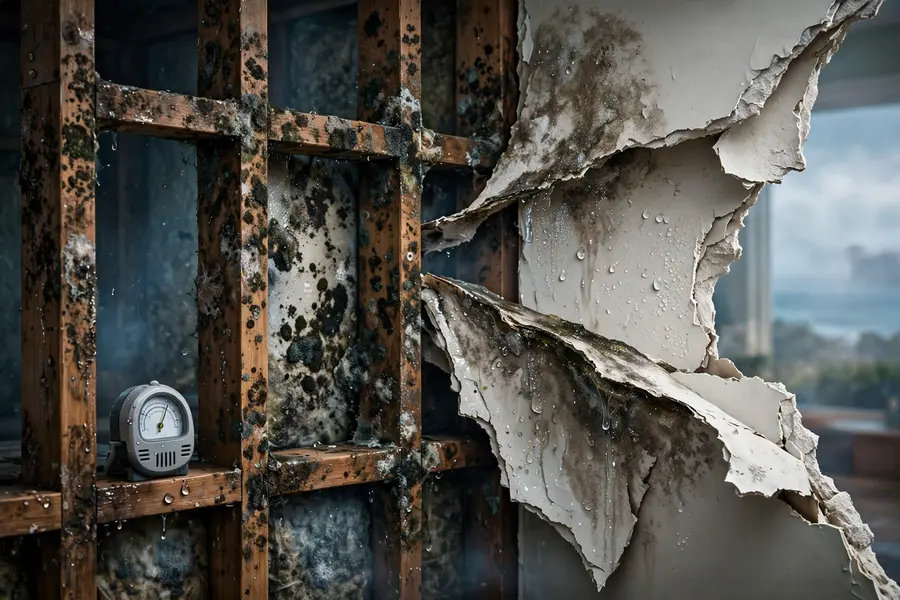
Water that seeps into walls, floors, or crawl spaces does more than create a surface mess; it initiates a process of gradual structural weakening. When mold growth is allowed to develop in these hidden areas, it feeds on organic materials such as wood joists and paper-backed drywall, causing them to deteriorate from within.
A practical example involves untreated framing lumber under a flooded floor. If mold remediation during Water Damage Restoration in Fort Lauderdale is delayed or skipped, the ongoing breakdown of these materials can eventually lead to sagging floors, cracked ceilings, or in severe cases, partial collapse of structural elements.
Building codes for coastal properties emphasize the need for rapid drying and thorough inspection after any water intrusion. Following local building guidelines for post-flood remediation ensures that hidden mold colonies are eliminated before they compromise the safety and stability of the home.
Restoration Protocols for Moisture Control and Prevention
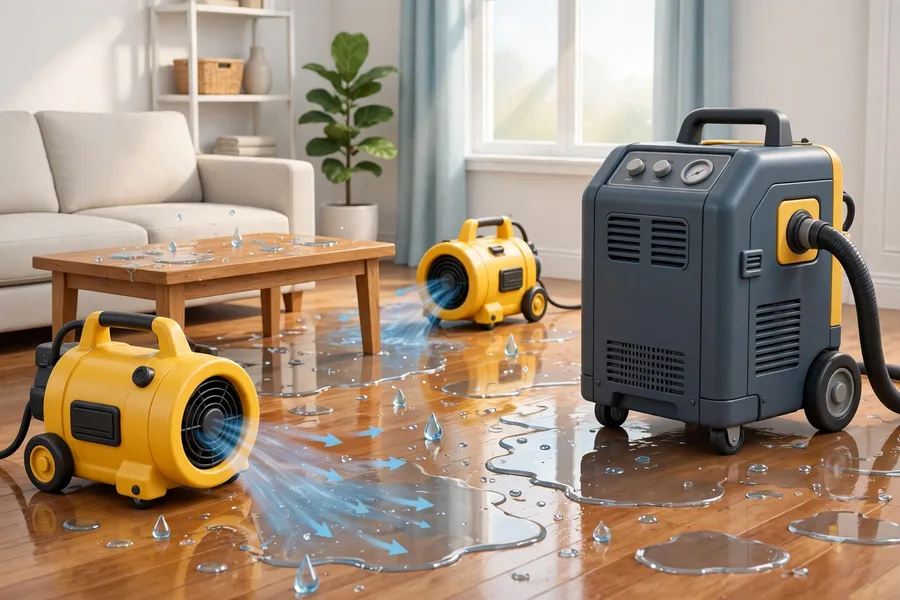
Effective water damage restoration relies on more than just removing standing water. Professionals use a combination of industrial-grade dehumidifiers and air movers to extract moisture from the air and building materials. For example, after initial water extraction, a team may leave commercial dehumidifiers running for several days to bring humidity to safe levels and halt any ongoing mold activity.
During the process of Water Damage Restoration in Fort Lauderdale, technicians often apply antimicrobial treatments to affected surfaces. These products are specifically formulated to kill mold spores and prevent regrowth as the structure dries. This treatment is especially important in areas with a history of repeated flooding or high humidity, where dormant mold can reactivate quickly.
Property owners should always verify that restoration protocols include both moisture measurement and targeted mold remediation during Water Damage Restoration in Fort Lauderdale. Overlooking any step in this process increases the risk of long-term structural decay and recurring mold problems.
Long Term Preservation of Property Integrity Against Decay
Preventing mold growth during the initial restoration phase is the most effective way to preserve the value and safety of coastal properties. Once mold has taken root in structural components, repairs become more invasive and expensive, often requiring demolition and replacement of entire sections of wall or flooring.
Using moisture barriers and sealants on vulnerable surfaces adds a layer of defense against future water intrusion. For example, applying a vapor barrier in crawl spaces or basement areas limits the migration of moisture into wood framing and subfloors, reducing the chances of mold-related decay.
Ongoing monitoring with digital sensors can alert homeowners to new moisture events before they escalate. Investing in these preventive measures, along with prompt action during water emergencies, is the most reliable strategy for ensuring long-term resilience against the unique challenges of coastal living in Fort Lauderdale.
Conclusion
When water damage strikes a coastal property, immediate and thorough mold control is the key to preventing deeper structural decay. Homeowners who act quickly to address both moisture and mold will protect the strength and safety of their homes for years to come. Start by seeking restoration specialists who document their drying and mold treatment steps, and make regular post-restoration inspections part of your property care routine.