
Top Features of Legal CRM Software Every Firm Should Know
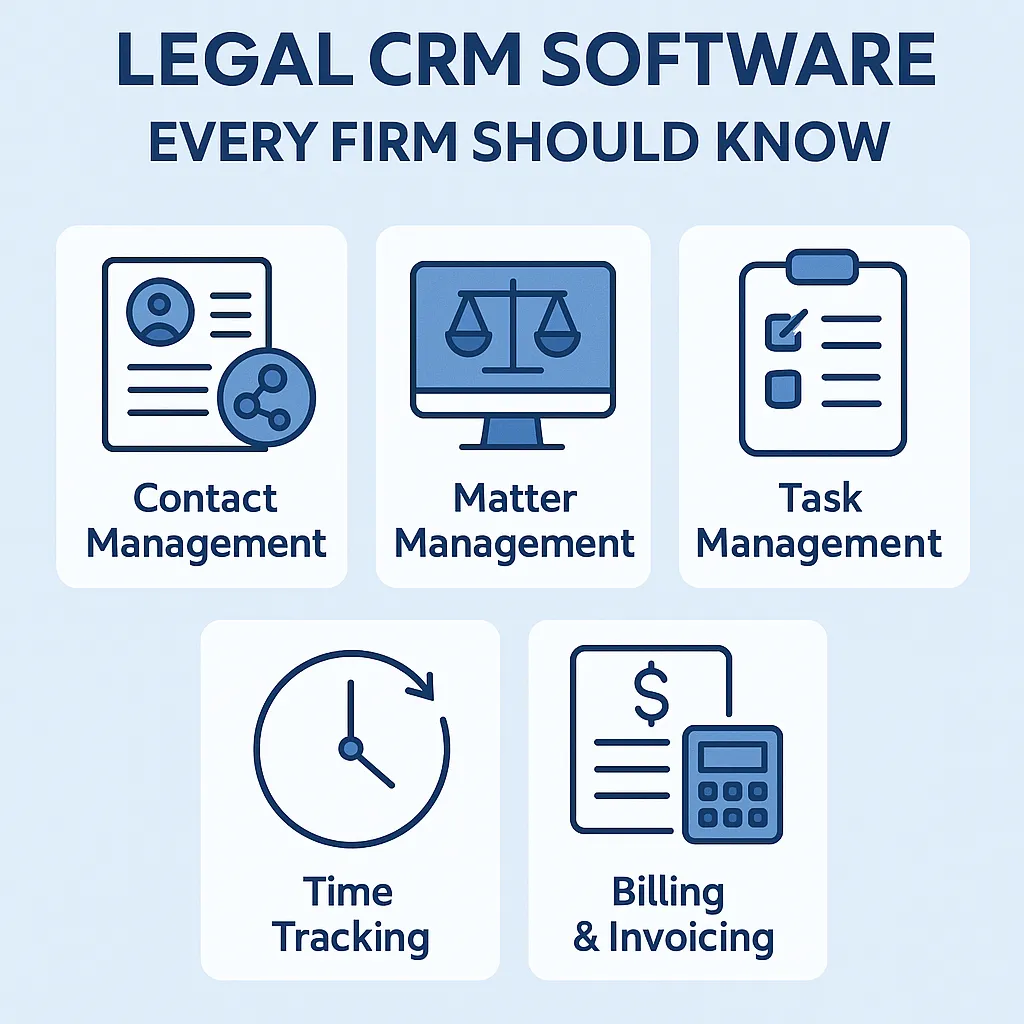
What makes a legal firm truly efficient in managing its daily operations and maintaining client relationships? In the present legal scenario, having a system that streamlines workflows and enhances communication is crucial. From managing client data to tracking case deadlines, legal professionals require a reliable tool to keep everything organized.
This is where legal CRM software solutions come into the picture. Designed specifically for law firms, they offer a wide range of features that help manage interactions, cases, and documents seamlessly. Let’s explore the key features that make this software a vital tool for contemporary legal practices.
Centralized Client Information Management
One of the key features of CRM software is the ability to centralize all client information. Managing multiple clients, cases, and contacts can be overwhelming without a structured system. With a CRM, all relevant client details, such as contact information, case history, and billing data, are stored in one accessible location. This eliminates the need for paper-based tracking or scattered digital files. When client information is organized and easy to retrieve, legal professionals can provide faster and more accurate service.
Streamlined Communication Tools
Effective communication is critical in legal practices, and a CRM system often includes built-in communication tools to streamline this process. Whether it’s email, phone calls, or even secure messaging, this CRM software ensures that all forms of communication are logged and tracked. This feature helps law firms maintain clear records of interactions with clients and other stakeholders. It also facilitates quick follow-ups and reminders, improving response times and client satisfaction.
Task and Deadline Management
Time management is essential for law firms, especially when dealing with tight deadlines. The CRM software typically includes task and deadline management features that allow firms to stay on top of their work. With automated task reminders and deadline tracking, law firms can ensure that no critical task is overlooked. This helps avoid costly mistakes and ensures that all projects move forward according to schedule.
Case and Document Management
Managing case files and documents efficiently is a key component of any law firm’s workflow. The CRM software provides advanced capabilities for managing cases and documents. All documents related to a case, including contracts, briefs, and evidence, can be stored securely within the system. Lawyers can access them easily when needed, ensuring that they have the necessary information at their fingertips. This feature also enables seamless collaboration among team members, allowing them to share documents and updates in real-time.
Reporting and Analytics Features
For law firms looking to make data-driven decisions, the CRM software includes reporting and analytics features. These tools allow firms to analyze their performance, track case progress, and measure client satisfaction. By generating detailed reports, law firms can identify trends, monitor team performance, and improve their strategies. With these insights, law firms can adjust their operations to maximize efficiency and ensure better client outcomes.
Enhanced Efficiency with Automated Workflows
Another valuable feature of the CRM software is customizable workflow automation. Law firms often deal with repetitive tasks that can take up valuable time. A CRM system enables firms to automate various routine tasks, such as sending client reminders, scheduling meetings, or updating case statuses. This not only reduces the administrative burden but also ensures that processes are carried out consistently. Customizing these workflows to match the firm’s specific needs leads to greater productivity and a lower chance of error.
Legal CRM software solutions come with numerous features that can help law firms enhance client service, boost productivity, and streamline daily operations. By using the right CRM system, law firms can automate routine tasks, generate valuable insights, and focus on delivering the best results for their clients. Investing in this software can revolutionize the way firms operate, enhancing both efficiency and client satisfaction.