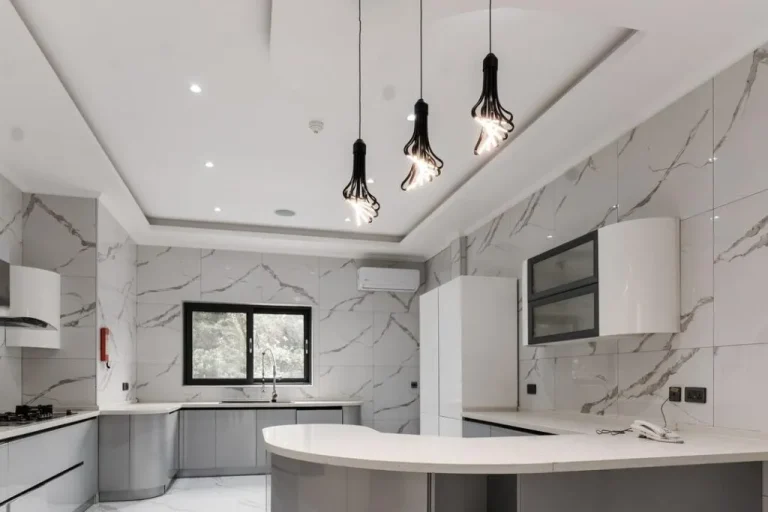
Terracotta Tile Flooring vs Ceramic Tile Flooring: Which Is More Durable?
When considering flooring options for your home improvement project, durability often emerges as a key factor. Two popular choices, terracotta and ceramic tiles, each offer unique benefits and challenges. Understanding their characteristics can guide you towards making a more informed decision. This article delves into the composition and features of both terracotta and ceramic tiles, compares their durability, and examines maintenance considerations to help you choose the right option for your needs.
Quick Info
- Topic: Terracotta Tile Flooring vs Ceramic Tile Flooring — which is more durable?
- Winner on durability: Ceramic tiles, thanks to their non-porous surface and higher density.
- Key factor: Composition, moisture resistance and maintenance needs.
Terracotta Tile Flooring: Characteristics and Composition
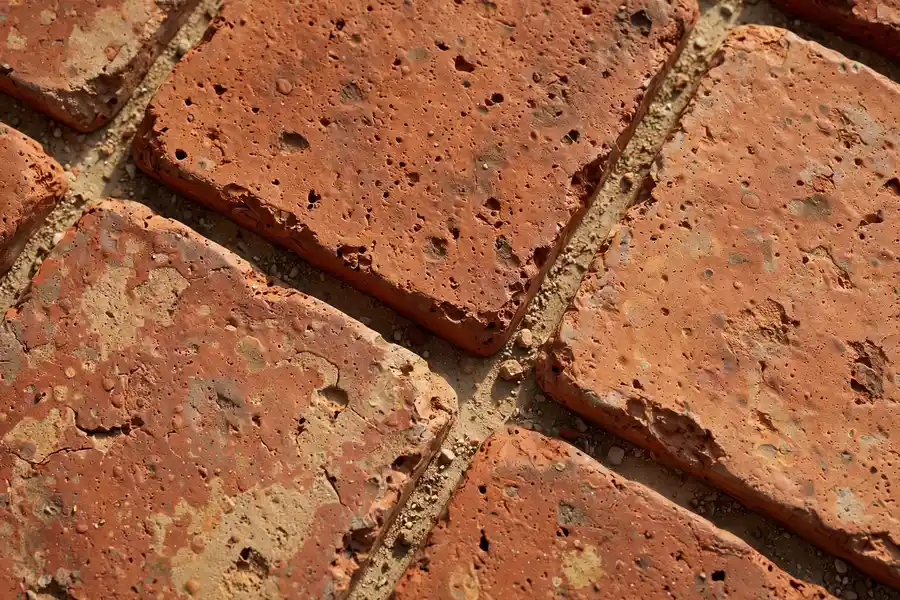
Terracotta tiles are crafted from red or brown clay and fired at lower temperatures compared to other tiles. This traditional method imbues them with a warm, earthy color, making them an ideal choice for those embracing a Terracotta Tile Flooring aesthetic as a focal point design. These tiles are porous, which can be both a benefit and a drawback. The porous nature allows for breathability and a natural look, but it also means they are more susceptible to moisture absorption unless properly sealed.
The use of terracotta tiles often aligns with biophilic design principles, emphasizing natural materials that enhance the connection between indoor spaces and nature. Additionally, historical preservation compliance often favors terracotta for its authentic, time-honored appeal. However, due to their composition, terracotta tiles may require more careful maintenance to prevent cracking or staining over time.
Ceramic Tile Flooring: Features and Variations
Ceramic tiles are made from a mixture of clay and other materials, fired at higher temperatures, which enhances their strength and versatility. These tiles are available in a wide array of colors and finishes, allowing for creative color theory application in interior design. The diverse material palette of ceramic tiles makes them adaptable to various stylistic preferences and functional requirements.
One significant advantage of ceramic tiles is their suitability for precise fixture specifications due to their consistent composition and dimensions. Moreover, ceramic tiles can incorporate advanced technologies like acoustical treatment, reducing noise levels in bustling household environments. Their non-porous surface makes them less susceptible to moisture damage, which can be a crucial consideration in humid climates or high-traffic areas.
Durability Comparison: Terracotta vs Ceramic Tiles
When comparing the durability of terracotta and ceramic tiles, ceramic typically holds an edge due to its non-porous nature and higher density. These attributes make ceramic tiles less prone to cracking and moisture-related issues, making them ideal for areas prone to spills or heavy foot traffic. Recent analysis from industry experts highlights that ceramic tiles often exhibit better wear resistance over time.
In contrast, terracotta tiles, while robust, may require additional sealing and maintenance to preserve their durability, especially in environments exposed to moisture or temperature fluctuations. However, for those committed to maintaining a traditional or rustic aesthetic, the effort can be worthwhile. The durability of terracotta can be effectively enhanced through proper space planning and regular sealing treatments.
Maintenance Considerations for Terracotta and Ceramic Tiles
Maintenance plays a crucial role in prolonging the lifespan of both terracotta and ceramic tiles. Terracotta tiles necessitate regular sealing and cleaning with pH-neutral solutions to prevent staining and moisture infiltration. This ongoing care ensures that the tiles retain their natural beauty and structural integrity.
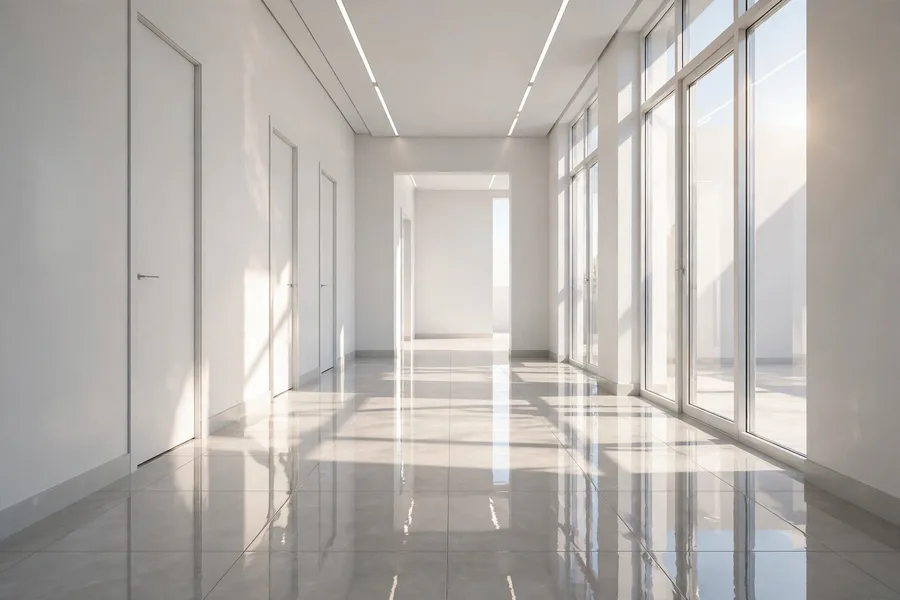
Conversely, ceramic tiles are relatively low-maintenance, requiring less frequent sealing and offering easier cleaning routines. Their resistance to stains and scratches makes them a practical choice for high-traffic areas. Incorporating these tiles into a lighting layering strategy can further enhance their aesthetic appeal, as their reflective surfaces can amplify light within a space.
Conclusion
Choosing between terracotta and ceramic tile flooring depends on your specific design goals and maintenance willingness. While ceramic tiles offer superior durability and ease of maintenance, terracotta tiles provide a unique, natural charm that complements certain design aesthetics. Both options have their merits, and selecting the right one requires careful consideration of your interior design objectives and the environment in which they will be installed. Ultimately, your choice should reflect the balance between aesthetics, functionality, and the long-term value you seek to achieve in your home.