Sustainable Tree Management in Urban Environments
Cities grow fast. Roads, homes, and buildings take up space. But trees still matter.
They give shade, clean the air, and make places feel calm. Without trees, a city can feel hot, dry, and hard. That is why caring for trees in urban areas is very important.
Sustainable tree management means caring for trees in a way that helps them live long and stay strong. It also means thinking about people, safety, and the future. When done well, it helps both nature and the community.
Continue reading to discover everything you need to know.
Why Urban Trees Matter
Trees do many good things for city life. They cool the air on hot days, they block strong winds, and they also help reduce noise from traffic. When you walk on a street with trees, it feels more peaceful.
Trees also clean the air. They take in harmful gases and give out oxygen, and this helps people breathe better. In busy cities, this is a big help.
Another benefit is water control. When it rains, trees help absorb water. Their roots hold the soil, and this helps prevent floods and erosion.
Trees also support life. Birds, insects, and small animals depend on them. Even in cities, trees create small homes for wildlife.
Challenges in Urban Tree Care
Caring for trees in cities is not easy. Space is limited, so roots may not have enough room to grow. Soil in cities is often hard and dry, and this makes it hard for trees to get water and nutrients.
Pollution is another problem. Smoke and dust can harm leaves and slow growth. Heat from roads and buildings can also stress trees.
There is also the risk of damage. Cars, construction work, and people can harm tree trunks and roots. Sometimes, trees are cut down too early or without proper planning, and these challenges make it clear that cities need a better way to care for trees.
Planning for Healthy Trees
Good planning is the first step. Cities need to choose the right trees for the right place. Some trees grow tall and wide, and others stay small.
Picking the right type helps avoid future problems. It is also important to think about space. Trees need room for roots and branches.
Planting them too close to buildings or roads can cause damage later. Soil care is also key. Healthy soil helps trees grow strong.
Adding compost and keeping soil loose can improve tree health. Water planning matters too; young trees need regular water, and older trees need support during dry seasons. A simple watering plan can make a big difference.
Proper Planting Techniques
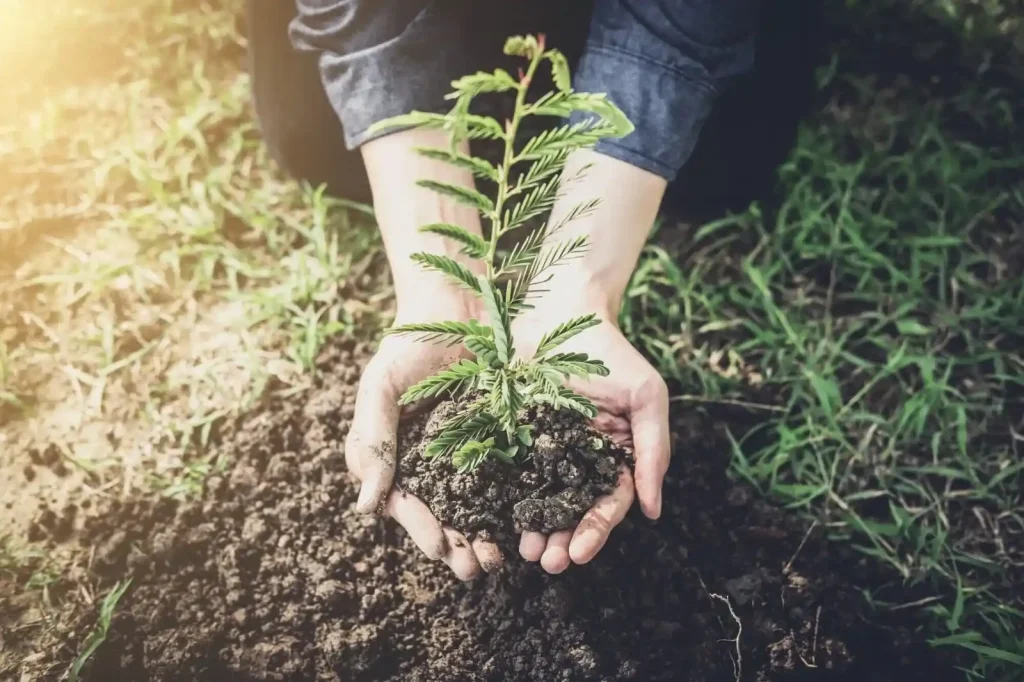
Planting a tree the right way helps it survive. The hole should be wide and deep enough for the roots. Roots should not be bent or crowded.
After planting, the soil should be packed gently. This helps remove air pockets. Water should be added right away to help roots settle.
Mulch can be placed around the base. This helps keep moisture in the soil. It also protects roots from heat.
Staking may be needed for young trees. This helps keep them stable during strong winds. But stakes should not stay too long, as trees need to grow strong on their own.
Regular Care and Maintenance
Trees need care over time. This includes watering, pruning, and checking for damage. Regular care keeps trees safe and healthy.
Pruning helps remove dead or weak branches. It also shapes the tree and allows better growth. But pruning should be done with care, and cutting too much can harm the tree.
Pests and diseases should also be watched. Early signs like yellow leaves or holes in bark should not be ignored. Quick action can save a tree.
Sometimes, care also means making hard choices. Tree removal is sometimes needed to keep people safe and protect property.
It should only be done after careful review. Even then, it should be done only when needed, such as when a tree is dead, unsafe, or causing serious damage.
Protecting Trees During Construction
Construction work can harm trees if not managed well. Heavy machines can crush roots. Digging can cut important root systems.
To protect trees, barriers can be placed around them. This keeps machines at a safe distance. Workers should also be trained to respect tree spaces.
Planning helps too. If a project is near trees, steps should be taken early to protect them. This may include adjusting building plans or using special tools.
Community Involvement
People play a big role in tree care. When communities care about trees, they help protect them. Simple actions like watering young trees or reporting damage can make a difference.
Schools and groups can also help. Tree planting events teach people about nature. They also build a sense of care and pride.
Local leaders can support these efforts. They can create programs that encourage people to take part. This builds a stronger connection between people and their environment.
Using Technology for Better Care
Technology can help manage urban trees. Tools like maps and sensors can track tree health. They can show where trees are and what they need.
Drones can also be used to check the tree condition from above. This helps spot problems early. Data can guide better decisions.
Apps can allow people to report tree issues. This makes it easier for city teams to respond fast. With the right tools, tree care becomes more efficient and effective.
Climate Change and Urban Trees
Climate change affects cities in many ways. Temperatures are rising, and rain patterns are changing. Storms are stronger.
Trees help reduce these effects. They cool the air and reduce heat; they also absorb carbon, which helps fight climate change.
But trees also need support. New conditions can stress them. Choosing strong and adaptable tree types is important.
Cities should also plant more trees. More trees mean more shade, cleaner air, and better health for everyone.
Building a Greener Future
Urban trees are not just decoration-they are part of a healthy city. Caring for them takes time, effort, and planning. Sustainable tree management is about balance.
It looks at the needs of people and nature. It focuses on long-term care, not quick fixes. A greener future starts with simple steps. Plant wisely.
Protect what we have. When we do this, cities can grow while still staying close to nature.
Expand your knowledge and check out more posts on our blog!