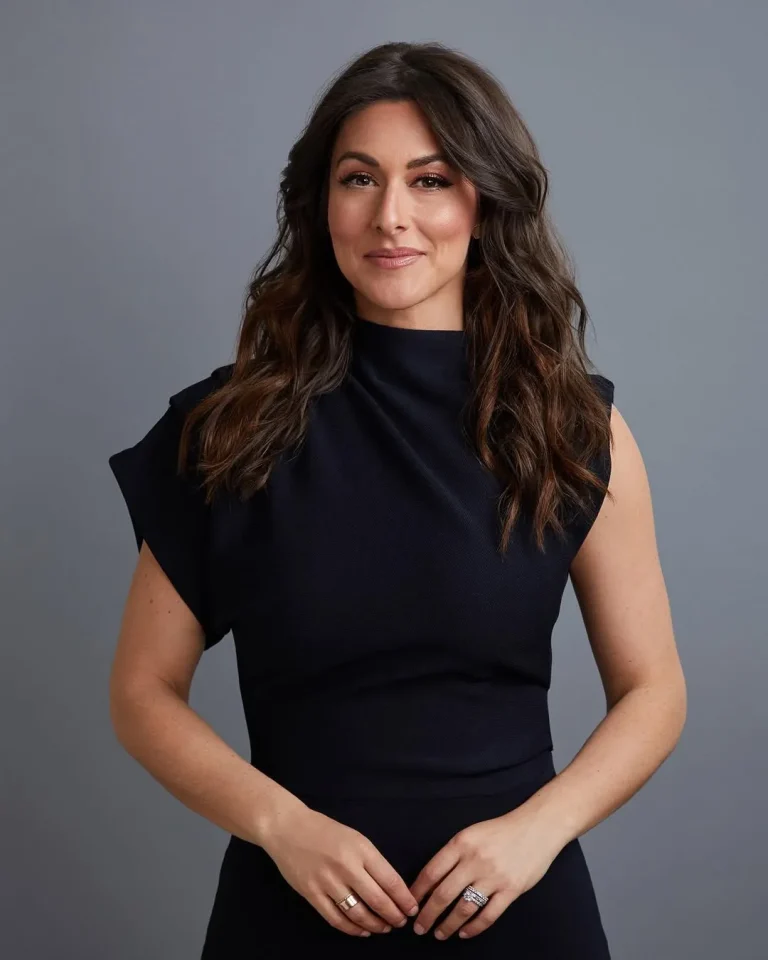
Rita Ora Ethnicity: Kosovar Albanian Roots
Rita Ora Ethnicity: Kosovar Albanian Roots
Table of Contents
- Quick Facts About Rita Ora
- What Is Rita Ora’s Ethnicity?
- Rita Ora’s Father’s Ethnicity
- Rita Ora’s Mother’s Ethnicity
- Why Did Rita Ora Change Her Surname?
- What Is Rita Ora’s Nationality?
- Rita Ora’s Pride in Her Albanian Heritage
- Frequently Asked Questions
- Conclusion
Quick Facts About Rita Ora
| Attribute | Details |
|---|---|
| Full Name | Rita Sahatçiu Ora |
| Date of Birth | November 26, 1990 |
| Birthplace | Pristina, SFR Yugoslavia (now Kosovo) |
| Nationality | British (also holds Kosovo citizenship) |
| Ethnicity | Albanian (Kosovar Albanian) |
| Father | Besnik Sahatçiu — Albanian, nominal Muslim |
| Mother | Vera Bajraktari — Albanian, Catholic, psychiatrist |
| Profession | Singer, songwriter, and actress |
What Is Rita Ora’s Ethnicity?
Rita Ora is Albanian — specifically Kosovar Albanian. She was born Rita Sahatçiu on November 26, 1990, in Pristina, then part of SFR Yugoslavia and now the capital of Kosovo, to Albanian parents. When asked about her ethnicity in interviews, she has said plainly that she is “100% from Kosovo.”
Her family fled Kosovo for political reasons in 1991, when Rita was still a baby, as the persecution of Albanians intensified with the disintegration of Yugoslavia. They settled in Notting Hill, West London, where Rita grew up, attended the Sylvia Young Theatre School, and began singing in pubs and at open mics — the start of a career that would make her one of Britain’s biggest pop stars. Like fellow European pop exports Shakira and Christina Aguilera, Rita’s cultural roots have remained a visible part of her public identity.
Rita Ora’s Father’s Ethnicity
Rita’s father, Besnik Sahatçiu, is Albanian. A pub owner who studied economics, he is described as a nominal Muslim — one half of a religiously mixed household, since Rita’s mother is Catholic. Rita has said she doesn’t consider herself religious, describing herself instead as “more of a spiritual person.”
Besnik’s own father — Rita’s paternal grandfather, Besim Sahatçiu — was a noted film and theatre director from Pejë, Kosovo, giving Rita’s show-business instincts a family precedent. The original family surname, Sahatçiu, comes from the Turkish word “saatçi,” meaning “watchmaker” — a legacy of centuries of Ottoman influence in the Balkans.
Rita Ora’s Mother’s Ethnicity
Rita’s mother, Vera (née Bajraktari), is Albanian and Catholic, and works as a psychiatrist. Her father — Rita’s maternal grandfather, Osman Bajraktari — was the Albanian consul to Russia (then part of the Soviet Union), a distinguished diplomatic post that speaks to the family’s standing.
Vera raised Rita alongside her older sister Elena and younger brother Don in London, keeping Albanian language and culture alive in the household. Rita speaks Albanian, a connection she has maintained proudly throughout her fame.
Why Did Rita Ora Change Her Surname?
The family’s original surname, Sahatçiu, was difficult for English speakers to pronounce, so her parents added “Ora” — the Albanian word for “time” — to the family name. Rita performs as Rita Ora, though she has also been billed as Rita Sahatçiu Ora. The change was practical, not a rejection of heritage: everything about her public life, from her language to her ambassadorship, affirms her Albanian roots.
What Is Rita Ora’s Nationality?
Rita Ora is British — she was raised in London from infancy and is a UK citizen — but she also holds Kosovo citizenship and was named an Honorary Ambassador of Kosovo in 2015. Her ethnicity is Albanian; her nationality is best described as British-Kosovar, a duality she embodies with pride.
Rita Ora’s Pride in Her Albanian Heritage
Few pop stars wear their heritage as openly as Rita Ora. She speaks Albanian, returns to Kosovo, and accepted the Honorary Ambassador title as a formal acknowledgment of her role in putting the young nation on the cultural map. Her 2012 breakout — DJ Fresh’s “Hot Right Now,” followed by the chart-topping singles “R.I.P.” and “How We Do (Party)” and the number-one album “Ora” — made her the UK’s most successful singles artist of that year, and she has never let that platform detach her from where she came from.
Her story is also a refugee story: a family that left everything because of ethnic persecution and rebuilt in London. In a 2016 speech on immigration at We Day UK, she drew on that history directly. She followed Ora with the albums Phoenix (2018) — featuring the UK top-five hits “Anywhere” and “Let You Love Me,” which made her the first British female solo artist with thirteen UK top-ten singles — and You & I (2023), while also coaching on The Voice, judging The Masked Singer, and performing as an interval act at Eurovision 2023. For fans of artists whose backgrounds cross borders — like Bruno Mars — Rita’s journey from Pristina to Notting Hill to global stardom is a familiar kind of triumph.

Frequently Asked Questions
Q: What is Rita Ora’s ethnicity?
A: Rita Ora is Albanian — specifically Kosovar Albanian. Both of her parents are Albanian.
Q: Where was Rita Ora born?
A: She was born on November 26, 1990, in Pristina, then SFR Yugoslavia, now Kosovo.
Q: Why does Rita Ora’s name sound different from her birth name?
A: She was born Rita Sahatçiu; her family added “Ora” (Albanian for “time”) because the original surname was hard to pronounce in English.
Q: Is Rita Ora Muslim or Catholic?
A: Her father is a nominal Muslim and her mother is Catholic. Rita herself says she is spiritual rather than religious.
Q: Who are Rita Ora’s parents?
A: Her father is Besnik Sahatçiu, a pub owner, and her mother is Vera Bajraktari, a psychiatrist.
Q: Is Rita Ora married?
A: Yes — she is married to New Zealand filmmaker Taika Waititi.
Conclusion
Rita Ora’s ethnicity is Albanian through and through — Kosovar Albanian on both sides, carried from Pristina to London by a refugee family that never let go of its roots. A singer who speaks Albanian, holds Kosovo citizenship, and serves as the country’s honorary ambassador, she is proof that heritage and global stardom can amplify each other.