
Ohio SERS Program: Retirement and Disability Benefits Explained
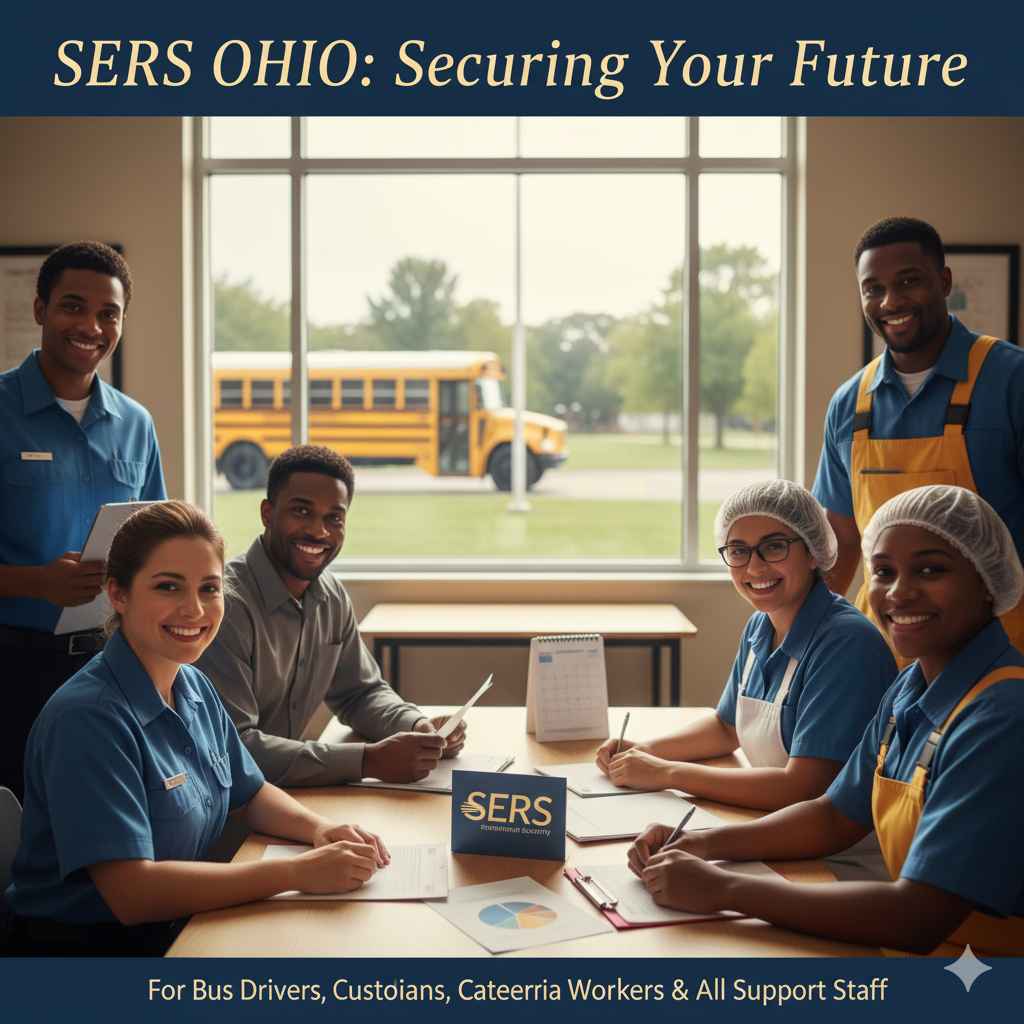
The School Employees Retirement System of Ohio (SERS) provides retirement security for non-teaching school employees across the state. If you work in Ohio’s public schools as a bus driver, cafeteria worker, custodian, secretary, or other support staff, understanding your SERS benefits can help you plan for a comfortable future.
What is SERS?
Looking back, the Ohio SERS program is a pension system established in 1937 to serve Ohio’s school support employees. Unlike Social Security, which many SERS members don’t participate in, this program creates a dedicated retirement fund through contributions from both employees and their employers. The system manages these pooled contributions and pays out benefits to retirees, disabled members, and survivors.
Membership and Contributions
When you begin working for an Ohio school district in a qualifying position, you automatically become a SERS member. Currently, employees contribute 10% of their gross salary, while employers contribute 14%. These contributions are invested to grow over time, funding your future benefits.
Retirement Benefits
SERS offers several retirement options depending on your age and years of service:
- Full retirement is available at age 67 with 10 years of service, or at age 57 with 30 years of service
- Reduced early retirement begins at age 60 with five years of service, though your monthly benefit will be permanently reduced
- The retirement benefit calculation considers your years of service and your final average salary, typically based on your three highest-earning years
When you retire, you’ll receive a monthly pension for life. The amount depends on how long you worked and how much you earned. For example, someone who worked 25 years with a final average salary of $40,000 might receive around $1,250 monthly, though actual amounts vary based on the specific benefit formula.
You can also choose different payment plans. A straight life annuity provides the highest monthly payment but ends when you die. Alternative options reduce your monthly payments but continue payments to a beneficiary after your death, providing security for your spouse or other dependents.
Disability Benefits
If you become disabled and can no longer work, SERS provides disability benefits regardless of your age. To qualify, you must:
- Have at least five years of contributing service
- Be unable to perform your job duties due to a physical or mental condition
- Apply while still employed or within one year of leaving employment
Disability benefits are calculated similarly to service retirement benefits. You’ll receive monthly payments based on your service credit and salary history. If you recover and return to work, the disability benefits stop, and you resume contributing to your retirement account.
The application process requires medical documentation proving your disability. SERS reviews these applications carefully and may require periodic medical examinations to confirm ongoing disability status.
Healthcare and Other Benefits
SERS members also have access to healthcare coverage in retirement, which is particularly important since many members don’t qualify for Medicare based on work history. The system offers medical, prescription drug, dental, and vision plans, though retirees typically pay premiums for this coverage.
Planning Your Future
Understanding your SERS benefits helps you make informed decisions about retirement timing and financial planning. SERS provides online tools to estimate your retirement benefits and track your account. Members can also schedule appointments with SERS counselors who explain options and answer questions about individual situations.
Whether you’re just starting your career in Ohio schools or approaching retirement age, your SERS benefits represent an important part of your financial security. Taking time to understand how the system works ensures you can maximize these benefits when you need them most.