
Recycled Glass Tiles vs Ceramic Tiles: Which Is More Sustainable?
Choosing sustainable materials is increasingly important in Interior Design and Home Improvement projects. When it comes to tiling, two popular options are Recycled Glass Tiles and ceramic tiles. Each offers unique benefits, but which is truly the more sustainable choice? This article will explore the environmental impact of using Recycled Glass Tiles, their benefits in modern design, the traditional appeal and environmental considerations of ceramic tiles, and the production processes and lifecycle impacts of both materials.
Quick Info
- Topic: Recycled Glass Tiles vs Ceramic Tiles — which is more sustainable?
- Winner on sustainability: Recycled glass tiles, thanks to lower energy use and LEED-friendly recycled content.
- Key factor: Production energy, lifecycle impact and recyclability.
Recycled Glass Tiles: A Sustainable Choice for Modern Design
Recycled Glass Tiles are made from post-consumer glass, which significantly reduces the need for new raw materials and minimizes waste. These tiles are often used in projects with a focus on LEED Certification, as they contribute to the sustainable sourcing criteria. The use of recycled glass aligns with contemporary design trends, such as incorporating a Mood Board to visualize the aesthetic and environmental benefits. Moreover, the vibrant colors and reflective qualities of glass can enhance Space Planning by creating a sense of openness and brightness.
Incorporating Recycled Glass Tiles can be beneficial in Recycled Glass Tiles projects aiming to achieve LEED points. According to the U.S. Green Building Council, using recycled materials can contribute to 10% or more of the total material cost in sustainable buildings (Source: USGBC, 2023). This makes recycled glass a practical choice for eco-conscious designs, offering both aesthetic appeal and environmental responsibility.
Ceramic Tiles: Traditional Appeal with Environmental Considerations
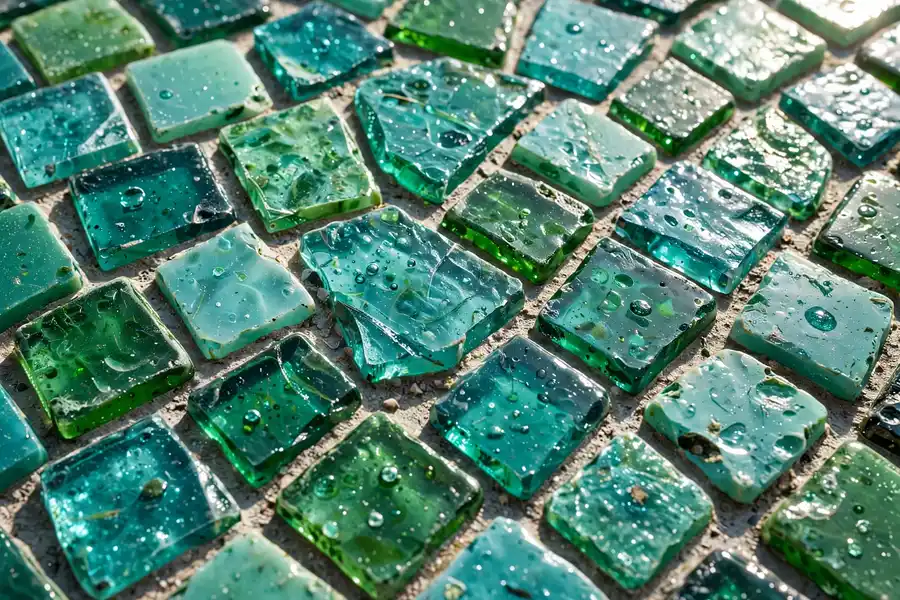
Ceramic tiles have been a staple in interior design due to their durability and versatility. However, their environmental impact is a consideration, particularly in terms of the energy-intensive production process. Ceramic tiles require high-temperature kilns, which contribute to greenhouse gas emissions. Despite this, they offer advantages like longevity and ease of maintenance, which can be highlighted in a Finish Schedule to show their lasting value.
While ceramic tiles are not typically associated with recycled content, advances in technology have allowed for the integration of sustainable practices. For example, ceramic tile manufacturers are increasingly using waste materials from other industries in their production processes, reducing overall environmental footprint. This aligns with the growing trend towards sustainable FFE Procurement, where selecting eco-friendly materials is a priority.
Comparing the Production Processes of Recycled Glass and Ceramic Tiles
The production process of Recycled Glass Tiles is notably less energy-intensive than that of ceramic tiles. Glass tiles are produced by melting crushed glass in lower-temperature furnaces, which reduces energy consumption and carbon emissions. In contrast, ceramic tile production involves high-temperature kilns, which demand substantial energy inputs. A detailed Site Analysis can help determine the environmental impact of these processes on a specific project.
Using BIM (Building Information Modeling) technology, designers can better assess the environmental impact of materials used in new constructions. This technology allows for precise calculations of energy use and emissions, facilitating informed decisions about sustainable material choices. Recycled Glass Tiles, due to their lower energy requirements, often have a smaller carbon footprint compared to ceramic tiles.
Evaluating the Lifecycle Impact of Recycled Glass Tiles Versus Ceramic Tiles
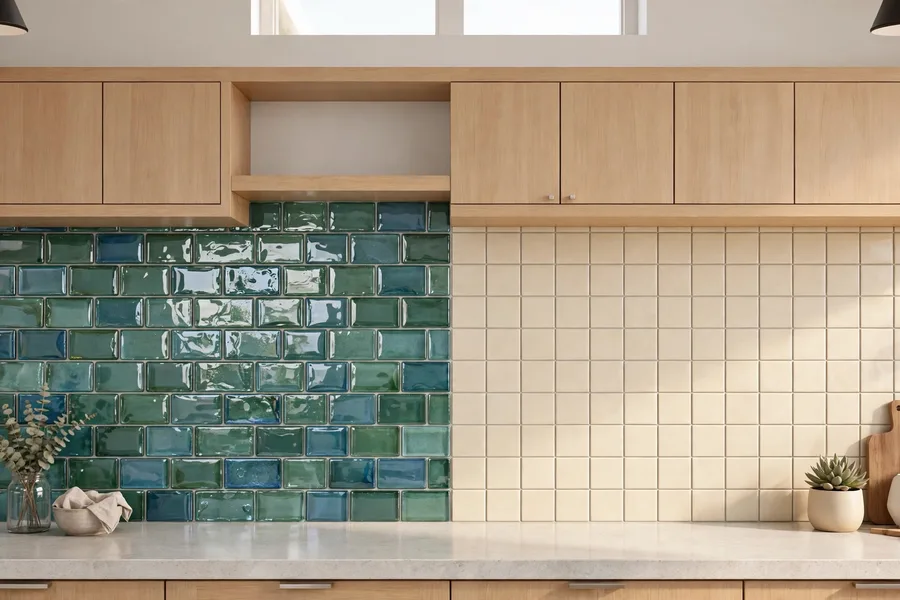
Examining the lifecycle impact of both tile types involves considering installation, maintenance, and disposal. Recycled Glass Tiles are often preferred in projects with a Lighting Plan that emphasizes reflection and brightness, reducing the need for artificial lighting and saving energy over time. Ceramic tiles, while durable, may have a longer lifespan but often require more energy for maintenance due to their non-reflective nature.
When evaluating sustainability, it is crucial to consider the entire lifecycle, including As-Built Drawings that reflect the actual materials used. Recycled Glass Tiles contribute positively to this analysis as their production process and disposal are eco-friendly. According to a recent study by Architectural Digest, glass tiles are considered one of the most sustainable options due to their recyclability and energy efficiency (Source: Architectural Digest, 2023).
Conclusion
Both Recycled Glass Tiles and ceramic tiles offer unique benefits in Interior Design and Home Improvement projects. However, when evaluating sustainability, Recycled Glass Tiles often emerge as the preferable choice due to their lower energy requirements and contribution to LEED Certification goals. For projects prioritizing environmental impact and modern design appeal, these tiles provide a compelling option for creating beautiful, eco-friendly spaces.