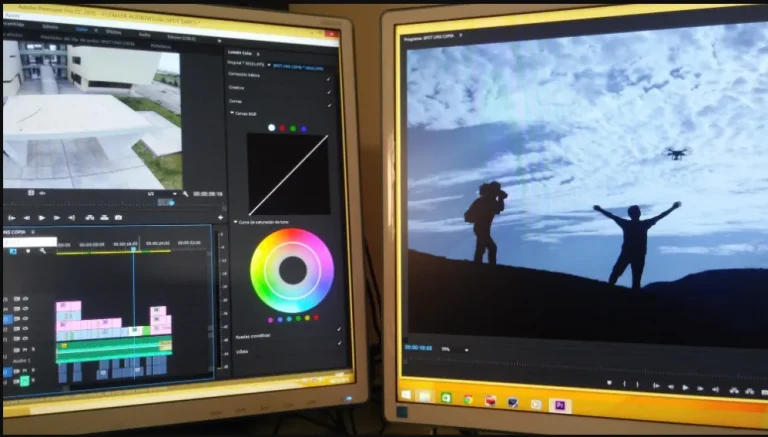
Enhancing Cultural Photography Through Advanced Image Editing

Did you know that the global photography services market is predicted to grow to $17.29 billion by 2032? This shows the increasing demand for high-quality visuals.
Whether you are new to cultural photography or have years of experience, editing is essential to create powerful images. It goes beyond simple adjustments like cropping or changing colors. Editing helps bring out life and depth in every photo.
It also plays a key role in preserving cultural traditions within each image. In this article, we will explore editing techniques that can elevate cultural photography. Keep reading to learn more.
Utilize Color Grading
Color grading is an important tool in cultural photography. It can completely transform the mood of an image. This technique helps bring out the deeper meaning behind a photo.
By adjusting hues, saturation, and luminance, you can enhance visual impact. These adjustments make certain details stand out more clearly. They also guide how viewers connect emotionally with the image.
For example, warm tones can create a nostalgic and timeless effect. Cooler tones, on the other hand, give a modern and fresh look. Each choice shapes how culture and tradition are expressed in photography.
Master Lightroom Presets
Lightroom presets make it easy to apply a consistent style to many images. They save time and help photographers work more efficiently. Using presets can also strengthen the storytelling of a project.
Creating custom presets for specific cultures adds a personal touch. These presets can highlight unique colors, textures, and traditions. This approach helps maintain authenticity in your cultural photography.
Different settings may require different presets for the best results. Landscapes, festivals, and portraits each have unique visual needs. Choosing the right preset ensures that every photo reflects the culture it represents.
Apply the Local Adjustment Tools
Local adjustment tools let you make precise changes in specific areas of a photo. You can use brushes, radial filters, and graduated filters to target details. These tools help you focus on certain parts without changing the entire image.
You can use them to refine small but important features. Enhance facial expressions, jewelry, or embroidery in traditional attire with subtle edits. These changes bring out cultural details that you might otherwise miss.
By emphasizing these elements, you make the photo tell a stronger story. You naturally draw viewers to the highlighted details. This focus invites them to connect more with the cultural narrative.
Experiment with Textures
Adding textures to your images creates depth and visual interest. You can use subtle grain to give photos a vintage and timeless look. This technique helps add character to cultural photography.
You can also overlay fabrics or patterns linked to the culture you are capturing. These textures highlight traditions and add authenticity to your work. They make the photo feel more connected to the story being told.
Always choose textures that support the overall narrative. Avoid using effects that distract from the subject or theme. The right texture should enhance culture, not overshadow it.
Focus on Contrast Adjustment
Adjusting contrast helps make your subjects stand out in a photo. You can darken shadows or brighten highlights to guide viewers’ attention. This creates a stronger visual impact in every image.
In cultural photography, contrast brings out intricate details. You can emphasize patterns, textures, or colors in traditional clothing or artifacts. These adjustments help showcase the essence of the culture.
By using contrast effectively, you make your photos more engaging. Viewers naturally focus on the elements you highlight. This technique strengthens the storytelling in every cultural image.
Use Vignetting Wisely
Vignetting helps direct viewers’ attention toward the center of your image. You can use it to naturally guide the eye without changing the main subject. This technique adds focus and depth to your photos.
Use vignetting carefully to maintain authenticity in cultural scenes. Too much darkening can distract from the story or details. A light touch enhances the image without overwhelming viewers.
Applied correctly, vignetting strengthens the overall composition. It subtly emphasizes important elements in your photo.
Incorporate Background Elements
Background elements help showcase the cultural context of your photos. You can enhance scenes like vibrant markets, intricate architecture, or natural landscapes. These details add depth and richness to the story you are telling.
Use editing tools to make these backgrounds more vivid and engaging. Adjust colors, brightness, or contrast to highlight important cultural aspects. When needed, you can subtly use a background remover free tool to isolate your subject without losing the essence of the scene.
They guide viewers through the cultural story you want to share. This approach strengthens the impact of your cultural photography.
Enhance Sharpness and Clarity
Using sharpening tools effectively brings out important details in your photos. You can enhance clarity in intricate patterns found in clothing, jewelry, or artifacts. These adjustments make every cultural element more visible and striking.
Improving sharpness helps viewers notice small but meaningful details. It ensures textures, designs, and craftsmanship are clearly appreciated. This careful attention to detail enriches the audience’s understanding of the culture.
Use Black and White Effects
Black and white photography can tell a story in a simple yet powerful way. Removing color lets viewers focus on shapes, contrasts, and emotions. This technique highlights the essence of the subject without distractions.
In cultural photography, black and white adds a timeless and classic feel. It emphasizes expressions, gestures, and details that might get lost in color. This approach can make cultural events appear more elegant and memorable.
Seek Feedback and Iterate
Joining a community of photographers helps you improve your skills. Share your edited images and ask for constructive feedback. This input shows you how others perceive your work and highlights areas to refine.
Using feedback, you can adjust and enhance your editing techniques. Iterating on your work helps you grow as a cultural photographer. Photography is always evolving, and learning from others keeps your perspective fresh.
Engaging with fellow creatives also inspires new ideas and approaches. Collaboration can spark innovation in your cultural storytelling. This process strengthens both your skills and the impact of your images.
Seeing the Beauty in Cultural Photography
Using advanced editing techniques can greatly improve how your cultural photos tell stories. Focusing on details, emotions, and context makes each image more meaningful. These adjustments help highlight the richness of the culture you capture.
Embrace these techniques to bring out the full beauty of your photos. They allow your images to reflect the depth of the stories behind them. Thoughtful editing ensures your cultural photography leaves a lasting impact.
Explore more fascinating topics on our website. Dive into our other articles for more information.