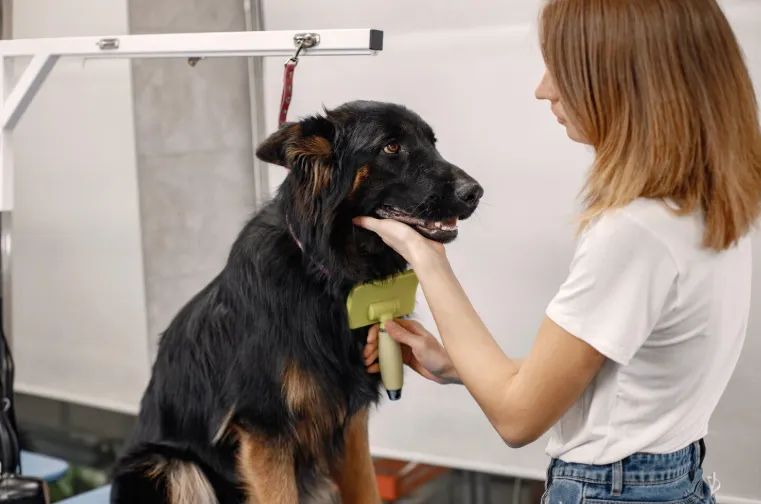
How to Guarantee Your Pet’s Safety During Your Absence

Leaving your beloved pet behind—whether for a short vacation, a business trip, or an emergency—can be a stressful experience for both you and your furry friend. Pets thrive on routine, familiarity, and human interaction. When you’re away, they can feel anxious, confused, or even threatened by changes in their environment.
Therefore, ensuring their safety and well-being during your absence is not only a responsibility but also a testament to your love and care for them. Below, we explore practical strategies to guarantee your pet’s safety and comfort when you’re not around.
Choose the Right Care Option
The first and most crucial decision is choosing who will take care of your pet while you’re away. You generally have four primary options, each with its benefits and considerations.
Professional Pet Sitter
Hiring a professional pet sitter is often the most comforting choice for pets that prefer their home environment. A certified sitter can visit your home to provide feeding, playtime, and companionship, all while keeping your pet in a familiar setting.
This reduces stress and maintains routine. However, professional sitters can be costly, and finding someone reliable requires time and proper vetting.
Pet Boarding Facility
Alternatively, a pet boarding facility offers 24/7 supervision in a structured environment. These facilities often provide playtime with other animals, grooming services, and even webcams so you can check in on your pet remotely.
While boarding can be a fun and safe option, it may be overwhelming for pets not used to being around other animals, and there’s always a small risk of exposure to illnesses.
Friend or Family Member
You might also consider leaving your pet with a trusted friend or family member. This is typically less formal and more budget-friendly.
Your pet may already be familiar with this person, which helps reduce anxiety. However, the downside is that the individual may lack experience with pet care or unintentionally overlook important aspects of your pet’s routine.
Take Your Pet With You
In some cases, it might be best to bring your pet with you. If you’re traveling to a pet-friendly destination or going on a road trip, taking your pet along could avoid separation anxiety altogether.
Still, this option requires careful planning, including accommodations, transportation, and health documentation.
Prepare Emergency Contact Information
Regardless of who is watching your pet, provide detailed emergency contact information, including:
- Your veterinarian’s name, address, and phone number
- Nearest 24-hour emergency animal hospital
- Your contact info and backup contacts
- An authorization letter for the caregiver to make medical decisions if needed
Include any medical history, allergies, or ongoing treatments in a simple document for quick access.
Maintain a Routine
Pets are creatures of habit. Disruptions in routine can cause anxiety or behavioral issues. Ensure that whoever is caring for your pet follows the same:
- Feeding schedule
- Diet
- Walking/exercise routine
- Sleep and playtime
- Medication timing
Providing a written schedule, clear instructions, and labeled supplies will help maintain stability.
Pet-Proof Your Home
If your pet will be staying home alone for part of the day or overnight, ensure the environment is safe. This includes:
- Securing trash bins to prevent ingestion of harmful foods
- Locking away cleaning supplies and medications
- Checking windows and screens for security
- Removing choking hazards or chewable wires
- Keeping toilet lids closed (especially for cats and small dogs)
Install pet cameras or smart sensors if you want to monitor them remotely.
Stock Up on Supplies
Before you leave, make sure there’s enough of the following to last the entire duration of your absence, plus extra in case of delays:
- Food and treats
- Medications and supplements
- Litter/waste bags
- Cleaning supplies
- Toys and chews
- Leashes, collars, or harnesses
Label all items clearly and store them in a convenient, accessible place.
Provide Comfort Items
Leave behind familiar items that can comfort your pet in your absence. This might include:
- Their favorite blanket or bed
- The toys they love
- An item with your scent, like a worn T-shirt
- A voice recording of you speaking (for pets with separation anxiety)
These items help reduce stress and remind them of your presence.
Use Technology to Stay Connected
Technology can play a major role in maintaining your connection with your pet while you’re away. Consider:
Pet Cameras
Many models allow two-way communication so you can see, hear, and speak to your pet. This helps reassure them with your voice and lets you monitor their behavior in real time.
Automatic Feeders
Useful for consistent feeding, especially if you’re gone for only a day or two. They ensure your pet is fed on schedule even if the caregiver is delayed.
GPS Collars
Great for outdoor pets or if you’re using a new sitter. These provide real-time location tracking in case your pet wanders or escapes.
Do a Trial Run
If possible, conduct a trial run a few days before your actual departure. Have the sitter visit and interact with your pet, or leave your pet with your chosen caregiver for a short time.
This helps identify any behavioral issues or logistical challenges and makes your pet more comfortable when the actual time comes.
Inform Your Veterinarian
Call your vet before you leave and inform them that you’ll be away. Provide them with the name and contact information of your pet’s caregiver and authorize them to make medical decisions on your behalf in case of an emergency.
Some clinics may also allow you to pre-pay for potential visits or leave a credit card on file for emergencies.
Stay Calm and Confident
Your pet picks up on your emotional state. If you’re anxious or overly dramatic when leaving, they might feel like something is wrong.
Keep your goodbye calm, short, and reassuring. It might be difficult, but acting confident and relaxed can help ease their stress.
When you return, take time to reconnect. Some pets may be overly excited, while others may seem withdrawn. Be patient as they readjust.
Keep Your Pet Safe While You’re Away
Ensuring your pet’s safety during your absence doesn’t have to be overwhelming. With proper planning, trustworthy caregivers, and some technological support, you can create a stable and loving environment for your pet—even when you’re not physically there.
Ultimately, preparation is key. By thinking ahead, communicating clearly, and leaving behind the right resources, you’ll be giving your pet the security they need until you’re home again.
If you want to read more articles, visit our blog.