A Complete Guide to the Different Types of Dance Flooring
Dance flooring affects how dancers move, perform, and stay safe. Each style of dance needs the right kind of floor. A good floor absorbs shock, prevents injuries, and supports balance.
The wrong surface can lead to strain or accidents. Studio owners and event planners must choose carefully. The flooring choice also impacts acoustics and the overall feel of a space.
If you’re planning a studio or upgrading your current one, know your options first. Explore the types of dance flooring below to find the best fit for your space and style.
Sprung Floors
Sprung floors offer shock absorption to reduce stress on joints. These are ideal for ballet, modern, and contemporary dance. The floor structure includes a supportive layer that “gives” slightly when pressure is applied. This helps prevent injuries from repetitive impact.
Sprung floors also allow for smoother landings during jumps. They work well for both professional and beginner dancers. The flexibility adds comfort and confidence.
Studios with high foot traffic benefit from the durability. These floors are often used as a base layer beneath other dance surfaces.
Marley Floors
Marley floors are one of the most widely used surfaces for dance. They are made of thin vinyl and are laid over a smooth surface. These floors offer excellent grip for turns and movement.
Dancers often prefer them for ballet, jazz, and lyrical styles. They help control sliding and reduce slip-related injuries. Easy to clean and maintain, they’re also portable when needed.
Whether you are looking at this Marley dance floor or exploring other types, make sure the material supports your dance style. The texture can vary, so choose based on usage. Some marley types offer more grip while others allow smoother glides.
Hardwood Dance Floors
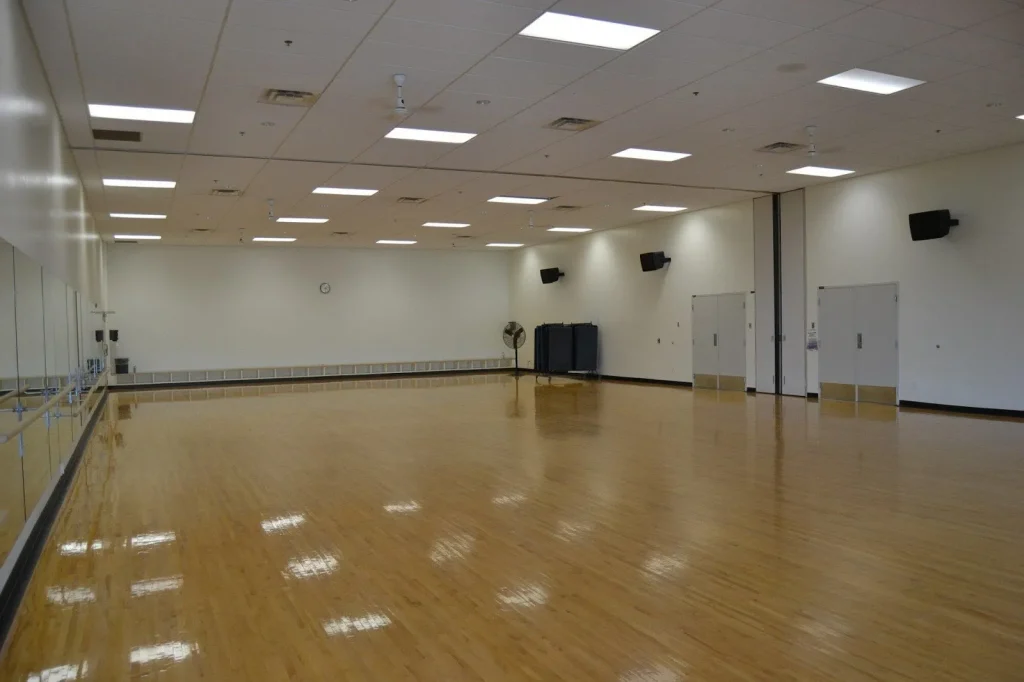
Hardwood is a classic choice found in many studios and stages. It gives a natural bounce that works well for tap, ballroom, and jazz. The surface is smooth, polished, and long-lasting. It offers strong visual appeal and adds value to any space.
Maintenance involves regular cleaning and refinishing. Wood floors can be combined with a sprung base for better performance. Some styles require more traction than raw wood allows. In those cases, surface treatments help. Always check moisture levels in the room to avoid warping.
Laminate Dance Floors
Laminate flooring mimics the look of hardwood but costs less. It’s easier to install and is suitable for temporary or multi-use spaces. Laminate holds up well under moderate use. It resists scratches and is easy to clean.
However, it’s not the best for absorbing shock. Dancers who perform jumps or leaps may need a cushioned layer underneath. It’s ideal for styles that don’t require intense floor contact.
Consider this option for home studios or short-term venues. Always use proper shoes to avoid slipping.
Vinyl Roll-Out Floors
These floors are flexible and easy to install. They come in large rolls and can be cut to fit. Roll-out vinyl is commonly used for performances, tours, and temporary events. It’s a good pick for ballet, jazz, and hip-hop.
The surface offers decent traction and stability. Some versions work well outdoors. Storage is simple because they roll up when not in use. However, they may need to be taped down for safety. Always ensure the subfloor is smooth before installation.
Portable Dance Floors
Portable floors are designed for quick setup and breakdown. They’re used in events, pop-up studios, and outdoor shows. These usually come in interlocking panels or roll-out mats. They’re made of lightweight materials and offer moderate grip.
Some versions mimic wood or marley finishes. Durability depends on the material used. While they’re not ideal for permanent use, they serve well for short-term needs.
Make sure the floor is flat underneath to avoid injury. They’re easy to clean and store when not in use.
Tap Dance Floors
Tap dancing needs a floor that delivers a sharp sound without damaging the surface. Wood or laminate floors with a smooth finish work best. The sound feedback helps dancers with rhythm and timing.
A sprung base under the surface enhances performance. The floor should also be scratch-resistant. Some portable tap boards are made for at-home use.
They can be moved and stored easily. Tap shoes should always be clean to prevent scuffing. Avoid soft or padded floors, as they mute the tap sounds.
Ballet-Specific Floors
Ballet needs a surface that supports turns, pointe work, and balance. Marley or vinyl floors are often chosen for their light grip. The floor should not be too sticky or too slippery.
A sprung subfloor adds safety during leaps and landings. Soft shoes require surfaces that won’t cause unnecessary friction. Ballet floors are usually neutral in color.
They also reflect light evenly for stage visibility. Regular cleaning prevents buildup that can affect grip. Dancers feel more confident with a floor designed for their movements.
Contemporary Dance Floors
Contemporary dancers combine fluid motion with sharp transitions. They need a versatile floor that supports barefoot and shoe use. Marley and vinyl options are most common here.
Shock absorption helps prevent injuries during floor work. The surface must allow for sliding but with controlled grip. Sprung flooring underneath improves performance.
Contemporary dance also uses a lot of rolling and floor contact. A smooth surface prevents skin abrasions. Durability and maintenance matter due to frequent practice.
Ballroom Dance Floors
Ballroom dancing includes styles like waltz, foxtrot, and salsa. A smooth, polished surface helps with gliding. Hardwood or laminate is commonly used. The floor should offer a balance between grip and slip.
Partner work demands even traction across the surface. Shoes with suede or leather soles pair well with these floors. Sprung subfloors add comfort and reduce joint stress.
Outdoor Dance Floors
Outdoor events need special flooring that resists weather and rough ground. Portable panels are often used with rubber feet for balance. The surface must stay firm on uneven terrain. Vinyl, composite, or treated wood works best.
The setup should include a moisture barrier if needed. These floors should resist warping and handle high foot traffic. Cleaning and drying between uses extends their life. They should also lock securely to avoid gaps. Wind clips or anchors may help keep panels in place.
Be Guided When Exploring Different Types of Dance Flooring
Choosing the right dance floor supports safety, comfort, and performance. Match the surface to the dance style and setting. Focus on grip, shock absorption, and durability.
Good flooring helps prevent injuries and improves movement. Always consider your space, budget, and long-term use. A proper floor makes every practice and performance better.
If you want to read more, visit our blog!