Galvanized Steel Failures That Demand Immediate Emergency Pipe Replacement Service
Imagine turning on your faucet, only to see discolored water trickling out or, worse, discovering a flooded basement from a burst pipe. For many homeowners with older plumbing, these emergencies are the painful reality of galvanized steel pipe failures. Galvanized piping, which was widely installed in homes before the 1960s, was once praised for its durability. However, decades of use expose these pipes to risks that go far beyond minor leaks. Knowing when a galvanized pipe failure has crossed the line from inconvenience to crisis can protect your home from extensive damage and disruption. Understanding the warning signs and consequences of deteriorating galvanized plumbing is the first step toward timely, decisive action.
Hidden Corrosion Risks In Aging Galvanized Piping Systems
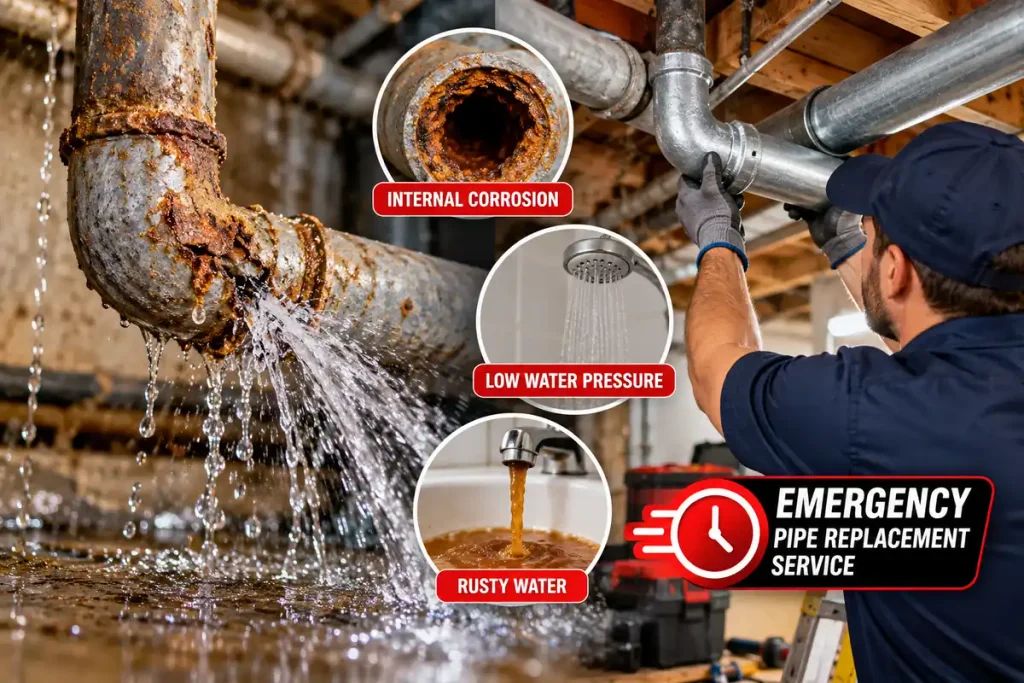
One of the core threats in older galvanized piping is the gradual, unseen buildup of corrosion within the pipe walls. Unlike newer materials, galvanized steel pipes are coated with a layer of zinc to prevent rust, but this protection wears away over time. As the zinc erodes, the underlying steel becomes exposed to water and air, accelerating the corrosion process. The result is a network of pipes gradually weakening from the inside out, often without any external signs until a failure occurs.
In many cases, homeowners are unaware of these risks because corrosion happens inside the pipe, making it invisible during routine inspections. This hidden deterioration can lead to pinhole leaks or large-scale ruptures when the pipe wall finally gives way. Reviewing the common failure mechanisms in galvanized pipes provides a clearer understanding of why older systems are particularly vulnerable to sudden emergencies.
Because these internal corrosion issues are not easily detected until they reach an advanced stage, periodic professional assessments of galvanized pipe networks are recommended for homes built before 1970. Identifying and addressing corrosion before a leak or burst occurs is far less disruptive than dealing with an emergency water loss.
Severe Water Pressure Drops Caused By Internal Rust Buildup
Another sign of imminent galvanized pipe failure is a sudden or persistent drop in water pressure throughout the home. Internal rust and mineral deposits accumulate over time, restricting the flow of water inside the pipe. As these blockages grow, water pressure at sinks, showers, and appliances declines, making everyday tasks difficult or impossible.
Unlike a single leaky faucet, pressure loss caused by failing galvanized pipes usually affects multiple fixtures, indicating a systemic problem. This is especially apparent in multi-story homes, where upper floors may experience little to no water flow when the main supply lines are constricted by rust. Homeowners who notice such symptoms should consider the potential for emergency failure if the pipes are not replaced in time.
Understanding how internal corrosion restricts water flow in galvanized plumbing helps explain why pressure issues often precede catastrophic leaks or bursts. Addressing pressure loss quickly can prevent further deterioration and limit the risk of water damage to the property.
Sudden Pipe Bursts And Catastrophic Structural Water Damage
Of all galvanized steel pipe failures, a full pipe burst is the most destructive. When rust and corrosion thin the pipe walls to a critical point, the pressure of normal household water flow can cause the pipe to rupture without warning. This sudden release of water can flood basements, damage walls and floors, and even compromise the building’s structural integrity.
Unlike slow leaks, bursts often happen in concealed areas—behind walls, under floors, or in ceilings—making them difficult to locate and stop quickly. By the time water is discovered, significant damage may already have occurred. In these situations, an Emergency Pipe Replacement Service is the fastest way to prevent ongoing water loss and further structural issues. This kind of urgent response is especially critical for galvanized pipe failures, where repeated temporary repairs only delay the inevitable need for full replacement.
Property owners who have experienced a pipe burst are often faced with extensive restoration work, including drying, cleaning, and repairing affected areas. Immediate intervention from a specialized service can minimize these costs and restore the safety of the home.
Critical Signs Requiring Urgent Professional Emergency Plumbing Intervention
Certain warning signs indicate that a galvanized pipe system has reached a point where immediate action is required. Persistent brown or rusty water, visible damp patches on walls or ceilings, and the sound of water running when no fixtures are in use all signal underlying leaks or breaks. These symptoms often mean that corrosion has already breached the pipe wall, and waiting increases the risk of a major failure.
Homeowners should also watch for unexplained increases in water bills or the sudden appearance of mold and mildew, both of which can be caused by hidden leaks in galvanized pipes. When any of these signs are present, delaying replacement poses a threat to both property and health.
Calling a professional for emergency pipe replacement is the safest route when these critical symptoms are observed. Quick identification and response can prevent the escalation of damage and reduce costly repairs in the aftermath of a pipe failure.
Conclusion
When faced with symptoms like rust-colored water, major pressure drops, or unexplained wet areas, prioritize a professional inspection of your galvanized plumbing. Acting quickly on these warning signs ensures your home stays safe from the costly consequences of a sudden pipe failure.