
Delta Flight DL275 Diverted to LAX: Cause, Cost & AI Safety Lessons (2025)
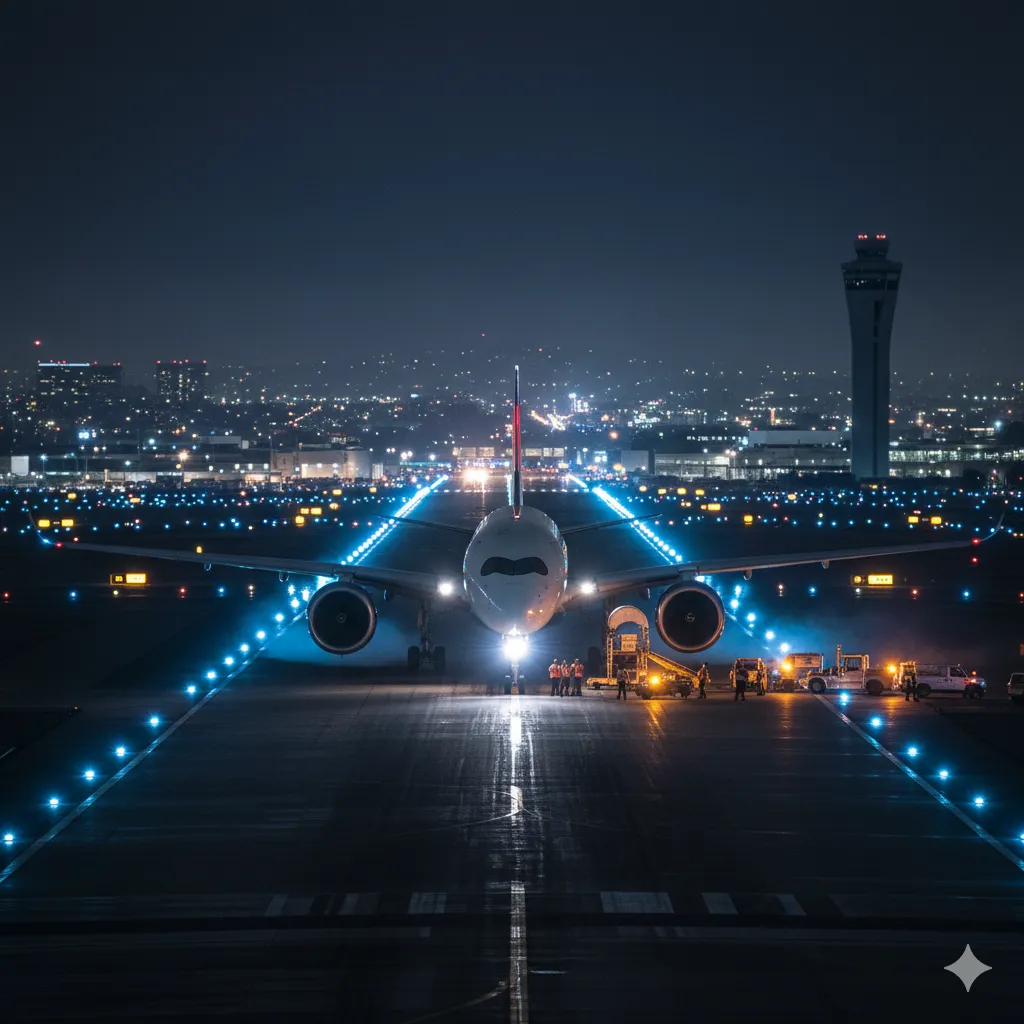
Delta Flight DL275 Diverted to LAX: Full Incident, Cause & Safety Lessons (2025)
On May 28, 2025, Delta Flight DL275, an Airbus A350 traveling from Detroit to Tokyo, made an unexpected diversion to Los Angeles International Airport (LAX) after the pilots detected a critical issue in the aircraft’s engine anti-ice system while flying over the Pacific Ocean.
The crew’s quick decision ensured that all passengers landed safely, avoiding what could have become a serious emergency.
🛫 What Happened on Delta Flight DL275
The journey began like any other — a long-haul flight from Detroit Metro Airport to Tokyo Haneda. The Airbus A350-900, powered by Rolls-Royce Trent XWB engines, is one of the safest and most advanced jets in the sky.
Roughly five hours into the flight, about 620 miles southwest of Anchorage, the cockpit received a system alert: one engine’s anti-ice system was failing. This system prevents ice buildup on critical parts of the engine when flying through freezing conditions at high altitude.
Although there was no smoke or fire, the malfunction carried real risk. Continuing across the ocean with a potentially compromised engine was not an option. The pilots immediately followed safety procedures and diverted the flight to LAX, where Delta has a major maintenance hub.
The plane touched down safely at 1:08 AM local time, with all 300+ passengers unharmed.
🧊 Understanding the Anti-Ice System Problem
The anti-ice system works by channeling heated air through the engine’s front sections to prevent frost or ice formation. Without it, ice can build up quickly, reducing airflow and potentially causing engine power loss.
In this case, sensor readings revealed several issues:
- Airflow dropped by 50%
- Bleed-air pressure fell by 25%
- Valve response slowed by over 300%
- System temperature fell 30% below normal
These warning signs confirmed that one engine was becoming dangerously cold. The crew’s fast response and calm coordination turned what could have been a crisis into a controlled diversion.
🛬 Why Los Angeles Was the Best Choice
Landing at LAX wasn’t a random call — it was strategic.
Los Angeles is one of Delta’s key hubs, home to:
- Certified Airbus A350 engineers and Rolls-Royce technicians
- Long runways capable of handling heavy, fuel-loaded aircraft
- Passenger facilities for rebooking, hotels, and meal support
In short, LAX provided everything needed to repair the aircraft and care for passengers efficiently. Delta immediately began inspections while arranging connecting flights to Tokyo for travelers.
🤖 Could AI Have Prevented the Problem?
Experts say yes — and this is where the story becomes a glimpse into the future of aviation.
Modern aircraft like the A350 record up to 2.5 terabytes of data per flight. Artificial intelligence can analyze this data in real time, comparing performance patterns to spot early signs of trouble.
In DL275’s case, minor abnormalities in valve response, temperature control, and airflow had reportedly appeared on earlier flights. A predictive-maintenance AI system could have detected this trend hours before takeoff, alerting engineers to fix the issue in Detroit before the jet even left the gate.
Studies show such systems can cut unscheduled repairs by nearly 80% — saving both lives and millions of dollars.
💰 The Cost of the Diversion
This single incident created several layers of cost for Delta:
Direct Operational Costs
| Category | Estimated Cost |
|---|---|
| Extra fuel (longer route) | $180,000 |
| LAX landing & handling fees | $12,000 |
| Inspections & maintenance | $95,000 |
| Crew overtime & lodging | $45,000 |
| Total Direct Cost | $332,000 |
Passenger Care Costs
| Category | Estimated Cost |
|---|---|
| Rebooking passengers | $85,000 |
| Hotels & accommodations | $32,000 |
| Meal vouchers | $18,000 |
| Legal compensation | $41,000 |
| Total Passenger Cost | $176,000 |
Lost Revenue
The canceled Tokyo leg cost Delta an estimated $1.98 million, bringing the total impact to roughly $2.3 million in losses within three days.
👥 Passenger Reactions and Brand Trust
Although all passengers were safe, the incident disrupted plans for hundreds of travelers.
Delta offered full support — meals, hotels, and clear communication — which helped maintain confidence. Still, such events can affect brand trust. Analysts estimate airlines may lose up to $2,800 in future bookings per passenger after a major disruption.
Some passengers praised the crew’s calm professionalism, while others expressed frustration that the problem wasn’t caught before takeoff. This balance of appreciation and critique reflects how important both safety and transparency are to modern travelers.
🛠 What the Aviation Industry Can Learn
The DL275 diversion is now being studied as a case example in predictive safety.
It shows that while human skill and quick decisions remain vital, AI-assisted diagnostics and real-time monitoring are the next step in preventing costly diversions.
A growing number of airlines are already testing connected aircraft systems that send live performance data to ground engineers during flight. These systems make it possible to spot wear, pressure changes, or heat loss instantly, allowing teams to respond before a malfunction turns into a diversion.
✈️ Lessons from Delta Flight DL275
- Preparation and teamwork save lives.
- AI can turn maintenance from reactive to preventive.
- Transparency builds passenger trust even in emergencies.
This incident wasn’t about panic — it was about precision. The crew’s professionalism turned potential danger into a textbook example of safe aviation management.
🧾 Conclusion
The Delta Flight DL275 diverted to LAX story is more than an airline headline — it’s a lesson for the entire aviation industry.
A single sensor failure turned into a multimillion-dollar event, but it also sparked conversations about AI safety, predictive technology, and the future of flight reliability.
Everyone landed safely. No one was injured. Yet the financial and emotional impact was real.
For Delta and other global carriers, this event reinforces a vital truth:
In aviation, the smartest flight path is the one guided by prevention, not reaction.
❓ FAQs About Delta Flight DL275 Diverted to LAX
Why did Delta flight DL275 divert to LAX?
Because of a serious failure in the Rolls-Royce engine’s anti-ice system detected mid-flight. The pilots diverted for passenger safety.
Was it an emergency landing?
Yes — a precautionary emergency. The plane landed safely, with no injuries reported.
When did this happen?
On May 28, 2025, around 1:08 AM local time, after 12 hours and 15 minutes of flight.
How many passengers were affected?
Over 300 passengers were rebooked or accommodated in Los Angeles.
Could AI have prevented it?
Most likely. Predictive-maintenance AI could have flagged early warning data hours before takeoff.
What type of aircraft was used?
An Airbus A350-900, powered by Rolls-Royce Trent XWB engines.
How much did the diversion cost?
Roughly $2.3 million in combined direct, passenger, and revenue losses.