
Benefits of Hiring a Motorcycle Accident Attorney Before Talking to Insurers
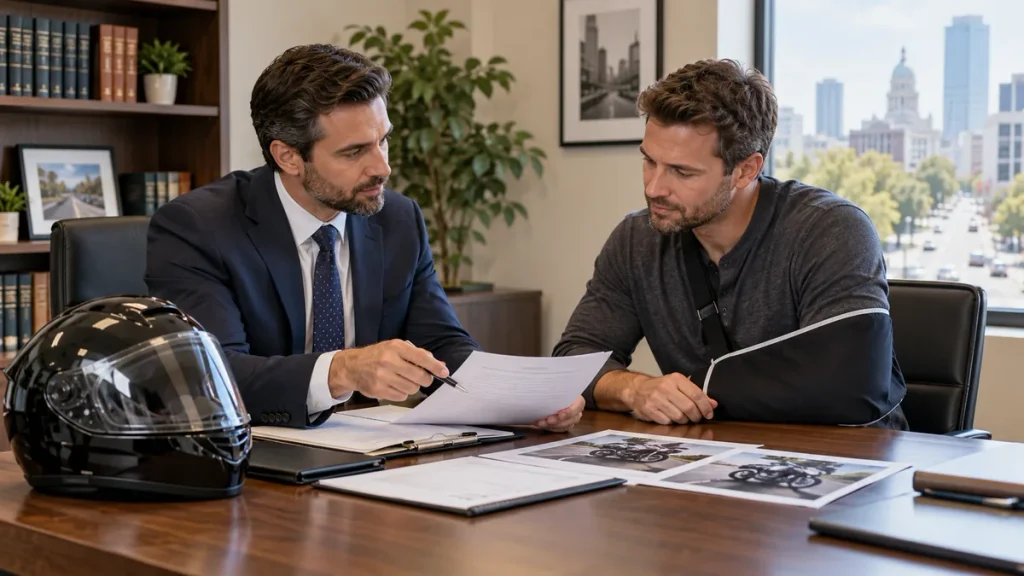
After a motorcycle accident, the first conversation with an insurance company can affect how your injury claim is handled. You may be dealing with pain, medical bills, missed work, and questions about who caused the crash. Before giving a recorded statement or accepting a settlement, consider the benefits of hiring a motorcycle accident attorney. Legal guidance can help you understand your rights, protect important evidence, and avoid mistakes that could reduce your compensation.
Why Insurance Companies May Contact You Quickly
Insurance adjusters often contact injured riders soon after a crash. They may ask how the accident happened, whether you were wearing protective equipment, and what injuries you suffered. These questions may seem routine, but your answers can become part of the claim record.
An adjuster represents the insurance company’s interests. Even when the conversation sounds friendly, the information you provide may be used to assess fault or challenge your injuries. You should answer questions honestly, but you do not have to rush into a detailed statement before understanding your rights.
A motorcycle accident attorney can explain which questions require careful consideration. This guidance is especially useful when you are still receiving treatment or cannot remember every detail of the collision.
Protecting Your Rights Before Giving a Statement
One of the main benefits of legal representation is having someone explain your options before you make important decisions. Insurance companies may request a recorded statement to document your account of the accident. However, small differences between your first statement and later medical records may raise questions about your credibility.
For example, you might initially describe your injuries as minor because you have not yet noticed the full effects of the crash. Several days later, a medical examination may reveal a fracture or another serious condition.
An attorney can help you understand the risks of recorded statements and determine how to respond to requests from insurers. You should never exaggerate your injuries or provide false information. The goal is to communicate accurate facts without making rushed or incomplete statements that could complicate your claim.
Preserving Evidence That Supports Your Claim
Strong evidence can make a major difference when an insurer evaluates a motorcycle accident claim. Important details may disappear quickly if nobody takes steps to preserve them. Damaged vehicles may be repaired, surveillance footage may be deleted, and witnesses may become difficult to locate.
An attorney can help identify and gather relevant evidence, including:
- Police reports and witness statements.
- Photographs of the accident scene and vehicle damage.
- Medical records, diagnostic tests, and treatment notes.
- Available traffic camera footage and nearby security recordings.
- Phone records or other evidence relevant to the cause of the crash.
This information can help establish how the collision occurred and connect your injuries to the accident. The National Highway Traffic Safety Administration provides motorcycle safety information that helps explain the risks riders face on the road.
Early legal guidance can also help prevent the loss of evidence needed to challenge an insurer’s version of events.
Understanding Fault and Motorcycle Accident Laws
Insurance companies may argue that a motorcyclist contributed to the crash. They might point to speed, lane position, visibility, or an alleged failure to take evasive action. However, an initial accusation does not establish legal responsibility.
Determining fault requires reviewing the available evidence and applying the relevant law. Depending on the circumstances, more than one party may share responsibility. A driver, vehicle owner, employer, or another party could potentially be involved.
A motorcycle accident attorney can investigate competing accounts and explain how fault rules may affect your claim. In some jurisdictions, shared fault can reduce compensation. In others, different legal rules may apply.
Understanding these issues before negotiating with an insurer can help you avoid accepting blame without sufficient evidence. It also allows you to make informed decisions about whether to challenge a denial or settlement offer.
Avoiding a Settlement That Falls Short
An early settlement offer may provide quick money for immediate expenses. However, accepting it before understanding the full extent of your injuries can create financial problems later.
Motorcycle accident injuries may require surgery, physical therapy, medication, or long-term rehabilitation. Some riders also experience lasting pain that limits their ability to work or perform everyday activities. These costs may not be clear during the first few days after a crash.
An attorney can review available medical information, lost income, future treatment needs, and other documented losses before assessing an offer. The attorney can also explain which damages may be recoverable under the applicable law.
Once you sign a settlement agreement and release your claim, you may not be able to request additional compensation for the same accident. Reviewing an offer carefully before accepting it can help protect your financial interests.
Calculating the Full Cost of Your Injuries
The financial impact of a motorcycle accident often extends beyond the first hospital bill. You may need follow-up appointments, prescription medication, mobility equipment, or help with routine tasks while recovering.
You could also lose income if your injuries prevent you from returning to work. If your condition affects your long-term earning ability, the financial consequences may continue for years.
A motorcycle accident attorney can help organize records that support these losses. Depending on the facts and local law, a claim may include medical expenses, lost wages, reduced earning capacity, property damage, and compensation for pain and suffering.
Keeping receipts, medical records, pay statements, and treatment schedules can make this process easier. Accurate documentation helps show how the accident affected your health, finances, and daily life.
Handling Insurance Negotiations With Greater Confidence
Negotiating with an insurance company can be difficult when you are unfamiliar with claim procedures. Adjusters may question medical treatment, dispute the need for certain expenses, or argue that some symptoms existed before the crash.
An attorney can respond to these concerns using medical records, evidence, and a clear explanation of the losses involved. Legal representation can also help you understand the difference between a reasonable settlement discussion and an offer that does not reflect your documented damages.
Hiring an attorney does not guarantee a higher settlement or a successful claim. However, professional guidance can help you evaluate your options and avoid making decisions based only on immediate financial pressure.
Meeting Deadlines and Managing Paperwork
Motorcycle accident claims often involve forms, medical authorizations, insurance correspondence, and legal deadlines. Missing a required deadline can delay a claim or, in some circumstances, prevent you from pursuing compensation.
The time limit for filing a lawsuit depends on the applicable law and the details of the case. Insurance policies may also contain notification requirements that deserve attention.
An attorney can help track important dates, organize supporting documents, and explain which steps must be completed. This support allows you to focus more of your attention on medical care while your claim moves forward.
You should still keep copies of correspondence and provide accurate information when requested. Staying organized makes it easier to respond to questions and monitor the progress of your claim.
Choosing the Right Time to Seek Legal Help
You do not need to wait until an insurance company denies your claim to speak with an attorney. Early advice can be useful when injuries are serious, fault is disputed, several parties are involved, or an insurer requests a recorded statement or offers a quick settlement.
During an initial consultation, ask about the attorney’s experience with motorcycle accident cases, how fees work, and what steps may be needed to investigate your claim. You should also ask who will handle communication with insurers and how you will receive updates.
Review the fee agreement carefully so you understand any costs and payment obligations before proceeding.
Make Informed Decisions Before Speaking With Insurers
The period immediately after a motorcycle accident can be stressful, and insurance decisions may have lasting consequences. Seeking legal guidance early can help you preserve evidence, understand fault rules, assess potential losses, and respond carefully to settlement offers.
Before agreeing to a recorded statement or signing a release, take time to understand your options. Keep your records organized, follow your medical provider’s advice, and communicate honestly with everyone involved.
A well-prepared claim begins with accurate information and informed decisions. Speaking with a motorcycle accident attorney before entering detailed insurance negotiations can help you protect your rights while you focus on recovery.