Smart Ways to Prepare for Medical Emergencies at Home and Work
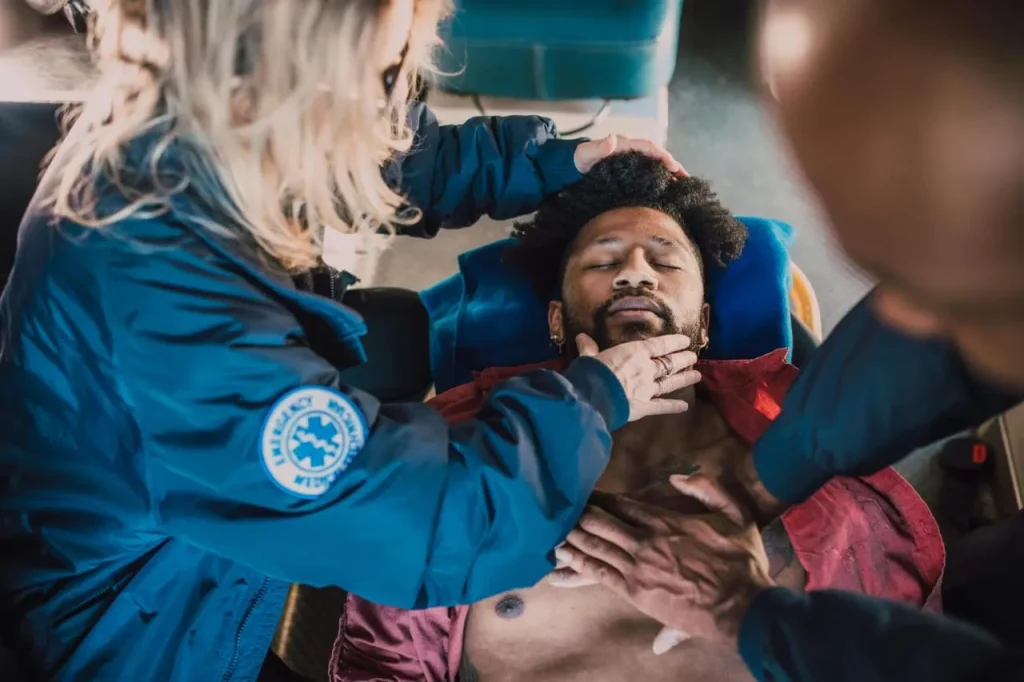
Medical emergencies can happen at any time. They can occur at home, at work, or even during daily activities. When people are prepared, they can respond faster and help protect lives.
Knowing what to do in the first few minutes of an emergency can make a big difference. If you want to protect your family, coworkers, and friends, now is the time to learn smart ways to prepare for medical emergencies. Continue reading to discover practical steps you can take today.
Understand Common Medical Emergencies
The first step in preparation is knowing the types of emergencies that may happen. Some common medical emergencies include choking, heart attacks, severe bleeding, and allergic reactions. These situations can appear suddenly and require fast action.
At home, accidents like falls, burns, or cuts may occur. Children and older adults may face higher risks. In the workplace, injuries from equipment, slips, or health issues can also happen.
When people understand these risks, they can plan better. Awareness helps individuals recognize warning signs early and respond quickly when a situation occurs.
Keep a Well-Stocked First Aid Kit
A first aid kit is one of the most important tools for emergency readiness. It provides basic supplies that help manage injuries until professional help arrives. Every home and workplace should keep one in an easy-to-find location.
Learn Basic Life-Saving Skills
Learning basic life-saving skills can help people act quickly during emergencies. Skills like CPR and first aid can support someone until medical professionals arrive. These actions can save lives during the most critical moments.
Training programs teach how to respond to choking, cardiac arrest, and breathing problems. They also explain how to handle bleeding, burns, and other injuries. With practice, these skills become easier to remember during stressful situations. MyCPR NOW provides easy-to-follow courses that teach life-saving skills for emergencies at home or work.
Create an Emergency Plan
Planning makes emergency response faster and more organized. Families and workplaces should create clear plans that explain what to do during medical emergencies.
The plan may include emergency phone numbers, hospital locations, and contact information for family members or coworkers. It should also explain who will call emergency services and who will provide first aid.
Practicing the plan helps everyone understand their role. Simple drills or discussions can help people remember what to do if a real emergency happens.
Encourage Awareness and Training
Prepared communities are safer communities. Encouraging others to learn emergency skills helps create a stronger safety network. When more people know what to do, help can arrive faster during a crisis.
Workplaces may offer training sessions or safety workshops. Families can also discuss emergency plans and practice simple first aid steps together. Teaching children basic safety habits can also improve awareness at home.
Preparation Saves Lives
Medical emergencies are unpredictable, but preparation makes a powerful difference. When people take time to learn safety skills and create simple plans, they become better prepared to respond quickly.
By preparing today, you create a safer environment at home and at work. The knowledge and tools you gain now can make a life-saving impact when it matters most.
Expand your knowledge and check out more posts on our blog!