What to Know Before Trying Non-Invasive Aesthetic Treatments
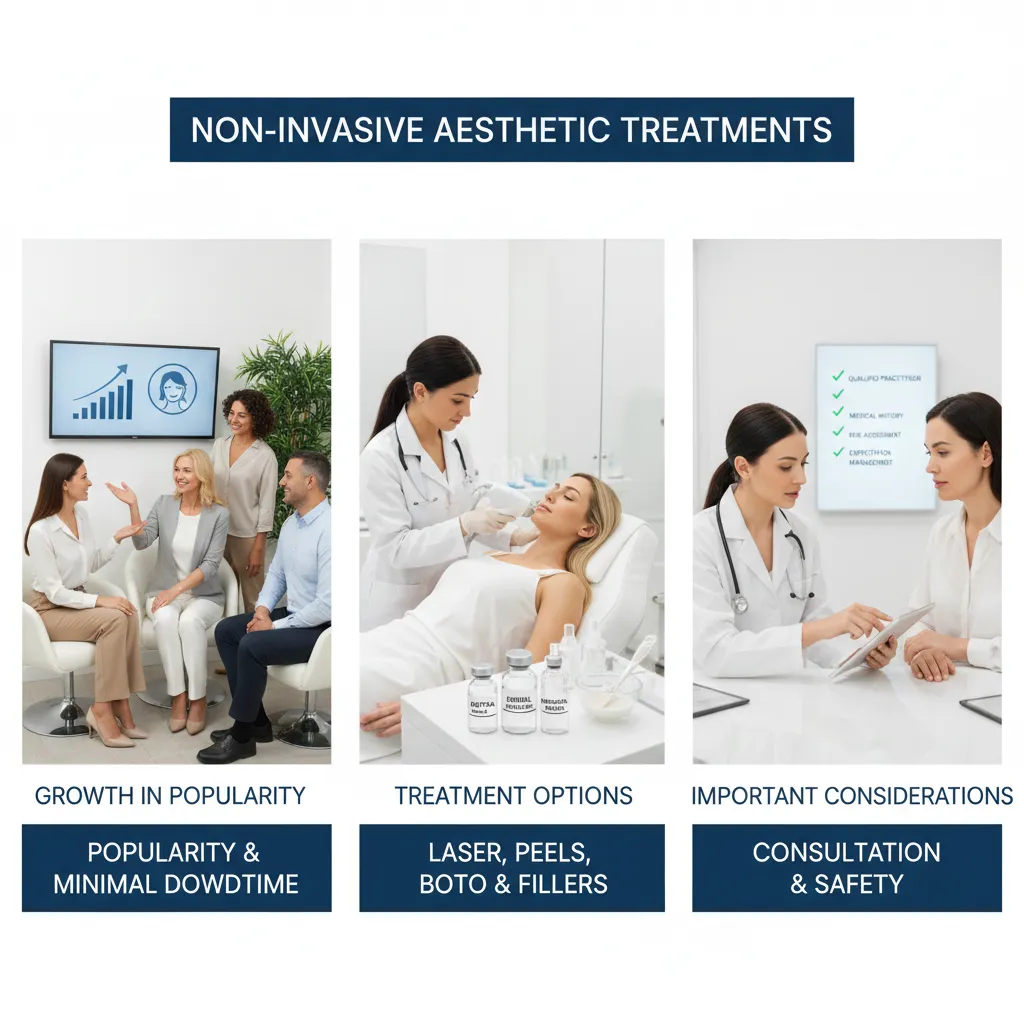
Non-invasive aesthetic treatments have grown in popularity over the past decade. With minimal downtime and less risk compared to surgical procedures, options such as laser therapy, chemical peels, Botox, and dermal fillers offer people the chance to enhance their appearance safely and effectively. However, before scheduling your first treatment, there are several important considerations to ensure you achieve the best results and avoid unwanted side effects.
Understand the Different Types of Treatments
Non-invasive aesthetic treatments cover a wide range of procedures, each designed to target specific concerns. Botox and other neuromodulators relax facial muscles to reduce wrinkles, while dermal fillers restore volume and contour to areas such as the cheeks or lips. Laser treatments can target pigmentation issues, stimulate collagen production, or reduce unwanted hair, and chemical peels help rejuvenate the skin by removing damaged outer layers. Understanding the purpose and mechanism of each treatment is crucial for setting realistic expectations and choosing the right procedure for your needs.
Set Realistic Expectations
One of the biggest misconceptions about non-invasive treatments is that they can deliver dramatic, permanent results. While these procedures are effective, results are often subtle and require maintenance over time. For example, Botox typically lasts three to four months, while dermal fillers may last anywhere from six months to two years depending on the type and area treated. Setting realistic expectations can help you avoid disappointment and make informed decisions about follow-up treatments.
Research Providers Carefully
The skill and experience of your provider are just as important as the treatment itself. Non-invasive treatments may seem straightforward, but subtle differences in technique can significantly impact results. When choosing a provider, look for credentials, experience, and patient reviews. Facilities such as dermani MEDSPA® specialize in non-invasive treatments and employ licensed professionals trained in the latest techniques. Consulting with a qualified provider can help you create a personalized treatment plan tailored to your unique goals and skin type.
Consider Your Medical History
Before undergoing any aesthetic procedure, it’s important to discuss your medical history with your provider. Certain conditions or medications may increase the risk of side effects or limit your treatment options. For example, some skin treatments are not recommended for individuals with active infections, autoimmune conditions, or a history of keloid scarring. Honest communication ensures your safety and helps your provider recommend the safest and most effective treatments for you.
Know the Risks and Side Effects
Although non-invasive treatments are generally safe, they are not entirely risk-free. Common side effects include redness, swelling, bruising, or temporary discomfort at the treatment site. More serious complications are rare but can occur if procedures are performed incorrectly. Understanding potential risks allows you to weigh the benefits against the likelihood of side effects and make an informed decision.
Prepare for Aftercare
Post-treatment care is an essential component of successful outcomes. Some procedures may require avoiding sun exposure, strenuous activity, or certain skincare products for a period of time. Following your provider’s instructions closely helps optimize results and minimize complications. Proper aftercare can make the difference between a good outcome and a less-than-satisfactory experience.
Consider Cost and Maintenance
Non-invasive treatments are typically less expensive than surgical alternatives, but costs can add up over time due to repeat sessions. Be sure to discuss treatment plans and maintenance schedules with your provider to understand the long-term financial commitment. Planning ahead ensures that you can maintain results without unexpected expenses.