How Historic Homeowners Navigate Water Damage Restoration in Portland to Prevent Foundation Rot
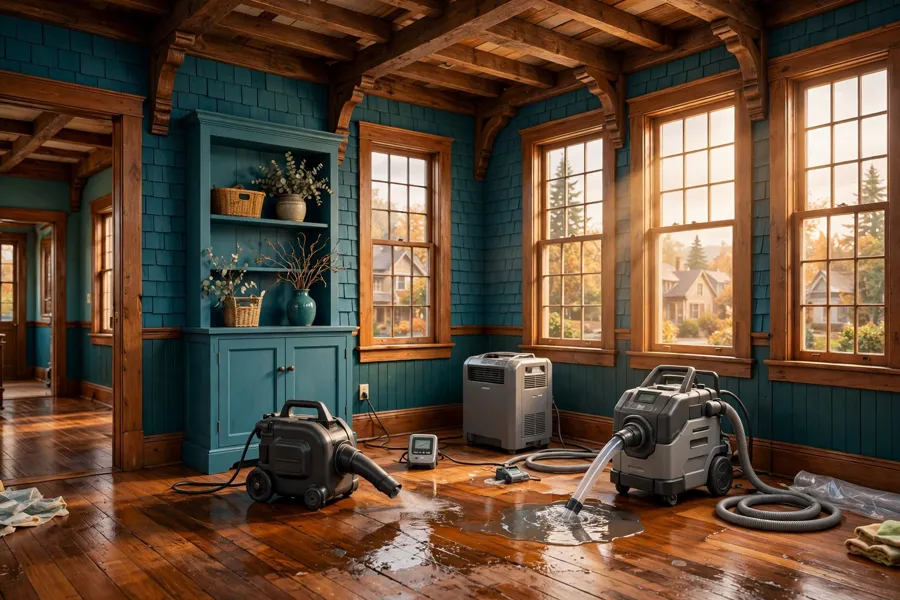
Table of Contents
Quick Info
- Topic: How historic homeowners navigate water damage restoration in Portland to prevent foundation rot.
- Key risk: Century-old timber foundations and unreinforced masonry wick up moisture and rot quickly in Portland’s wet climate.
- Best action: Spot early warning signs, use heritage-safe extraction and drying, and plan long-term drainage and maintenance.
Rain-soaked winters and persistent dampness are facts of life for Portland homeowners, but for those living in historic houses, these conditions pose unique risks. Many century-old homes in the city feature original timber foundations or unreinforced masonry, materials that are highly susceptible to moisture damage. When water seeps into a basement or crawl space, rot can set in quickly, jeopardizing the structural integrity of the entire property. Homeowners who value both the heritage and stability of their house must act decisively at the first sign of water infiltration. Engaging restoration professionals familiar with historic construction methods can mean the difference between minor repairs and a costly rebuild. Preventing foundation rot isn’t just about stopping leaks—it’s about understanding the vulnerabilities specific to Portland’s vintage homes and responding with tailored solutions.
Portland Climate Challenges and Vulnerabilities in Century Homes
The Pacific Northwest’s long, wet seasons create a constant threat to historic home Water Damage Restoration in Portland. Unlike modern concrete foundations, older homes often rest on hand-hewn timber beams or stacked stone footings that wick up moisture from the ground below. These materials are prone to decay if even small amounts of water go unchecked. Seasonal flooding and the region’s clay-rich soils, which expand and contract dramatically with moisture changes, further stress aging foundations and can open new pathways for water intrusion. Homeowners must be aware that the combination of prolonged rainfall and historic building techniques makes their properties especially vulnerable compared to newer construction.
For example, many Portland homes built before 1920 lack modern vapor barriers or exterior drainage systems. This absence allows rain runoff to collect against basement walls, increasing the risk of seepage and rot. Reviewing methods for improving drainage around older homes can guide preservation efforts and reduce ongoing exposure to damaging moisture.
Recognizing how Portland’s climate interacts with historic construction is the first step toward a preservation plan that addresses both the source of water and the unique needs of period materials.
Identifying Early Signs of Moisture Intrusion in Historic Timber Foundations
Detecting water problems early is critical for owners of historic Portland homes. Timber foundations often reveal trouble through subtle signals that can be overlooked until advanced rot sets in. Homeowners should regularly inspect for musty odors, staining on basement walls, or paint that blisters or peels without obvious cause. Spongy or soft sections of exposed wood, especially near ground level, often indicate ongoing moisture exposure. In some cases, white or grayish fungal growth may appear along beams or joists—an early indicator of wood decay fungi that thrive in damp conditions.
Moisture meters designed for wood can provide objective readings, allowing homeowners to track changes over time. Consulting best practices for monitoring foundation moisture can help determine when professional intervention is necessary. Prompt action is essential, as even a single season of unchecked dampness can undermine the load-bearing capacity of original timber supports.
Recognizing and responding to these early warning signs allows historic homeowners to intervene before rot becomes widespread, preserving both structural integrity and historical authenticity.
Specialized Water Extraction Techniques for Heritage Properties
When water does infiltrate a historic home, extraction and drying require a tailored approach. Standard equipment may be too powerful for delicate materials, risking further damage to original woodwork or antique finishes. Restoration professionals experienced with historic home Water Damage Restoration in Portland often use low-pressure water extraction systems and portable dehumidifiers that can be precisely controlled. This minimizes disruption to the building’s fabric while thoroughly removing moisture.
One specialized method involves placing air movers strategically to create gentle airflow across timber or stone surfaces, accelerating evaporation without forcing water deeper into the material. In cases where crawl spaces are affected, encapsulation—sealing the area with a vapor barrier after extraction—can help prevent future incidents. When choosing a provider for Water Damage Restoration in Portland, homeowners should confirm that the team is experienced in working with heritage structures and can provide examples of previous restoration work in similar settings. The right choice protects both the physical structure and its historical details.
Careful selection of drying and extraction methods preserves original materials while ensuring that lingering moisture won’t trigger future problems.
Long-Term Mitigation Strategies for Preserving Original Portland Basements

Once immediate water threats are addressed, historic homeowners must plan for long-term protection against moisture. Installing perimeter drainage systems, such as a French drain, is a common solution for redirecting groundwater away from vulnerable foundations. For properties with original stone or brick basements, repointing—replacing deteriorated mortar with new, compatible material—can seal gaps that admit water. Interior waterproof coatings, when chosen for compatibility with historic surfaces, add an extra layer of defense without compromising the building’s breathability.
Regular maintenance, such as cleaning gutters and downspouts, is also critical to keep water from pooling near the foundation. Scheduling annual inspections by specialists familiar with period construction ensures that small issues are addressed before they escalate. Reviewing guidelines for maintaining historic basements helps homeowners make informed decisions that balance preservation with resilience.
With a combination of proactive upgrades and routine oversight, historic Portland homes can withstand the climate’s challenges and retain their original character for generations to come.
Conclusion
Act promptly when signs of moisture appear in a historic Portland home—early intervention and restoration tailored to period materials are the most effective ways to prevent foundation rot. If you spot musty odors, wood softening, or visible water, contact a professional with experience in historic preservation before the issue escalates.