
Harmonicode Sport: How Rhythm, Data and Technology Are Changing Athletic Performance
Quick Info: Harmonicode Sport
- What it is: An emerging concept linking athletic rhythm, movement patterns and sports data analytics
- Core idea: Harmony (timing and coordination) + code (data and digital analysis)
- Key tools: Wearables, motion sensors, GPS tracking, AI analytics and biomechanics
- Best for: Runners, swimmers, footballers, basketball players, cyclists and tennis players
- Status: No single official platform or governing body yet — an evolving sports-technology idea
Table of Contents
- What Is Harmonicode Sport?
- How Does Harmonicode Sport Work?
- Key Features of Harmonicode Sport
- Benefits of Harmonicode Sport for Athletes
- Harmonicode Sport vs Traditional Training
- The Technology Behind Harmonicode Sport
- Which Sports Benefit Most from Harmonicode Sport?
- Challenges and Limitations
- How Athletes Can Get Started with Harmonicode Sport
- The Future of Harmonicode Sport
- Frequently Asked Questions (FAQs)
Sport has always rewarded athletes who move well, time their actions perfectly and make smart decisions under pressure. What has changed in recent years is how much we can now measure those qualities. From smartwatches that track every heartbeat to cameras that map every stride, modern athletics runs on information. One of the newest terms appearing in online sports discussions is harmonicode sport — a concept that brings together rhythm, movement science and data analytics in a single idea.
This article explains what harmonicode sport means, how it works, what tools sit behind it, where it helps athletes most, and what its limits are. Whether you are a competitive athlete, a coach, or simply curious about the future of sports technology, you will find a clear and honest guide here.
What Is Harmonicode Sport?
Harmonicode sport is an emerging online term used to describe the connection between athletic movement, rhythm, coordination and technology-assisted training. The name itself combines two ideas: harmony, which refers to timing, balance and coordinated movement, and code, which stands for information, calculations and digital systems.
In practice, the concept asks a simple question: what happens when we treat an athlete’s movement like a pattern that can be observed, measured and improved? A sprinter’s stride, a swimmer’s stroke, a footballer’s first touch and a tennis player’s serve all depend on rhythm. When that rhythm is consistent, performance improves. When it breaks down, mistakes and injuries follow.
It is important to be honest about one thing from the start: harmonicode sport does not yet have one universally accepted scientific definition, an official governing body, or a single verified product behind it. Different websites describe it in different ways. What the term does offer is a useful lens for understanding how established sports science — sports analytics, biomechanics and wearable technology — is coming together in modern training.
Rather than a single invention, think of harmonicode sport as a framework: the idea that better rhythm plus better data leads to better performance.
How Does Harmonicode Sport Work?
The general approach behind harmonicode sport follows four steps: observe the athlete, capture the movement, analyse the patterns, and act on what the data shows. Each step relies on technology that already exists in professional and amateur sport.
Step 1: Observing Movement
Everything begins with watching how the athlete moves. Coaches have always done this with their eyes, but cameras and motion sensors now record details the human eye misses — the angle of a knee at landing, the symmetry between left and right legs, or the split-second timing of a jump.
Step 2: Capturing Data
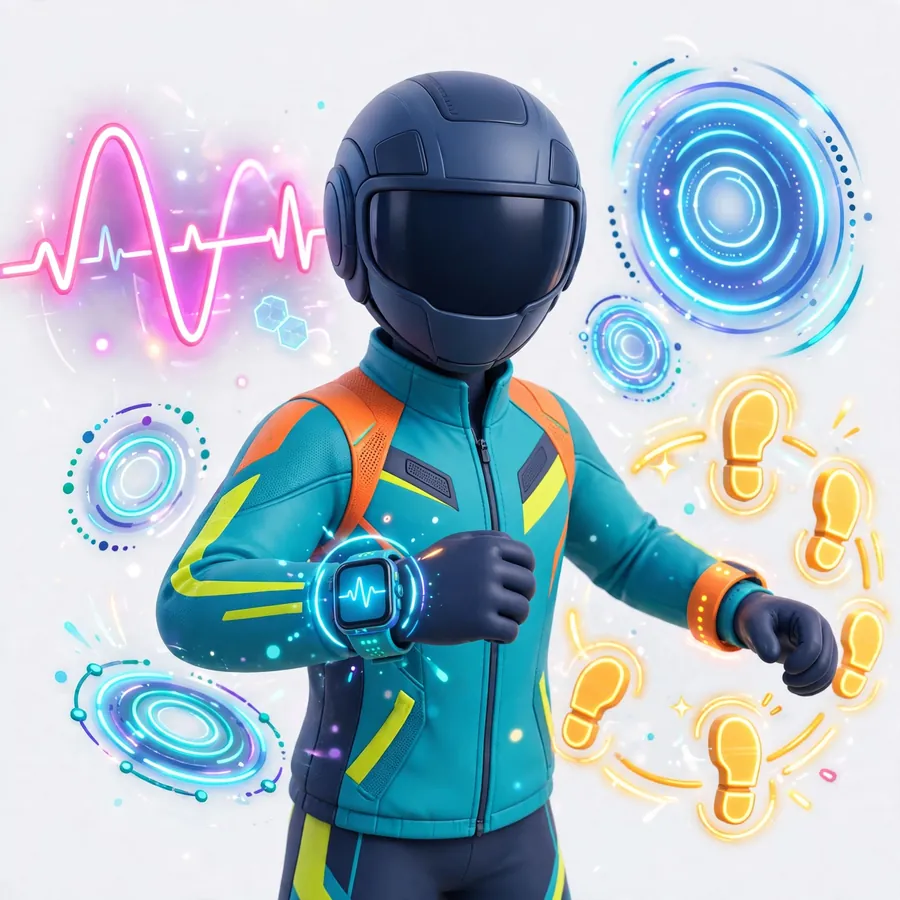
Wearable devices such as smartwatches, heart-rate straps, GPS trackers and smart insoles collect numbers during training and competition: speed, distance, heart rate, acceleration, jump height and recovery time. This raw information is the “code” half of harmonicode sport.
Step 3: Finding Patterns
Software and artificial intelligence sort through the data to find repeating patterns. A runner might discover that their stride shortens after 30 minutes, or a basketball player might see that their shooting accuracy drops when their jump timing changes. These patterns are the “harmony” half — the rhythm of performance made visible.
Step 4: Adjusting Training
Finally, coaches and athletes use those insights to change training: adjusting workload, fixing technique, planning rest, or targeting a specific weakness. The cycle then repeats, with each session producing fresh data.
Key Features of Harmonicode Sport
Although there is no single official harmonicode platform, several features appear again and again in discussions of the concept. Together they describe what a rhythm-and-data approach to sport looks like.
Performance Monitoring
Continuous tracking of training intensity, distance covered, speed and consistency helps athletes see whether they are genuinely improving or simply training harder without progress.
Biomechanical Analysis
Studying how the body moves — joint angles, posture, balance and stride mechanics — helps coaches spot technical flaws that waste energy or raise injury risk.
Personalised Training Plans
Because no two athletes share the same body, fitness level or goals, data allows training to be shaped around the individual rather than a one-size-fits-all programme.
Recovery Tracking
Heart-rate variability, sleep quality and training load reveal whether an athlete is recovering well or heading toward overtraining and fatigue.
Visual Performance Reports
Charts, graphs and video overlays turn raw numbers into something a coach and athlete can discuss together, making progress easy to see over weeks and months.
Rhythm and Timing Drills
Exercises built around tempo — metronome running, stroke-count swimming, or timed footwork drills — train the body’s internal sense of timing, which sits at the heart of the harmonicode idea.
Benefits of Harmonicode Sport for Athletes
The ideas behind harmonicode sport are attractive because they connect with real, proven developments in sports science. Here are the main benefits athletes and coaches talk about.
Sharper Technique
When movement is measured, small errors become visible. A runner who learns their left leg lands harder than their right can work on balance before the imbalance causes injury. A golfer who sees their swing tempo vary can practise a steadier rhythm.
Smarter Training Decisions
Many athletes train by habit rather than by evidence. Data shows whether a session was too easy, too hard, or just right — and whether rest or extra work is the better choice that day.
Faster, Safer Recovery
Monitoring fatigue and sleep helps athletes avoid the trap of training through exhaustion. Planned recovery protects long-term performance far better than pushing through pain.
Clear Progress Tracking
Numbers give motivation. Seeing a sprint time fall, a jump height rise or a resting heart rate drop over a season proves that the work is paying off — and shows exactly where the next gains might come from.
Confidence Under Pressure
Athletes who know their rhythm — their ideal stride, their best serve routine, their breathing pattern before a free throw — can return to it when nerves strike in competition. Rehearsed timing becomes a anchor in high-pressure moments.
Harmonicode Sport vs Traditional Training
Harmonicode sport does not replace traditional coaching — it adds a layer of measurement to it. The table below shows how the two approaches compare.
| Aspect | Traditional Training | Harmonicode Sport Approach |
|---|---|---|
| Feedback | Coach’s eye and athlete’s feel | Coach’s eye plus sensor data and video analysis |
| Technique checks | Occasional, based on observation | Continuous, measured every session |
| Training load | Planned by feel and experience | Adjusted using heart rate, sleep and fatigue data |
| Rhythm work | Drills and repetition | Tempo drills tracked and timed with sensors |
| Progress proof | Race times and match results | Race results plus detailed trend reports |
| Cost | Low — little equipment needed | Higher — wearables, apps and analysis tools |
| Human judgement | Central to every decision | Still central — data supports, never replaces, the coach |
The best results come from combining both: experienced coaching guided by reliable data.
The Technology Behind Harmonicode Sport
No single device defines harmonicode sport. Instead, it draws on a set of established technologies that are already reshaping athletics.
Wearable devices — smartwatches, fitness bands and heart-rate monitors — track the body’s response to exercise in real time. GPS tracking measures distance, speed and positioning on the field or road. Motion-capture cameras record body movement frame by frame for technical analysis. Force plates and smart insoles measure how hard an athlete pushes against the ground with each step or jump.
Behind the hardware sits data analytics software, which organises the flood of numbers into trends, and artificial intelligence, which spots patterns — such as a gradual loss of stride symmetry — that a human might miss. Together these tools give coaches a far richer picture of performance than stopwatch times alone ever could.
None of this technology is magic, however. Its value depends entirely on accurate sensors, honest interpretation and sensible decisions. A bad sensor reading followed blindly can do more harm than no reading at all.

Which Sports Benefit Most from Harmonicode Sport?
The rhythm-and-data approach suits any sport where timing and repeatable movement matter — which is almost all of them. Some benefit more obviously than others:
- Running and athletics: stride length, cadence, ground contact time and pacing are all measurable and trainable.
- Swimming: stroke rate, breathing rhythm and turn timing respond well to tempo training and video analysis.
- Football and basketball: sprint data, jump load, change-of-direction speed and workload management help coaches protect players across a long season.
- Tennis: serve rhythm, footwork patterns and rally intensity can be tracked and refined.
- Cycling: power output, cadence and heart-rate zones are already central to how cyclists train.
- Gymnastics and dance-based sport: timing, balance and body control are the essence of performance, making movement analysis especially valuable.
Team-sport athletes gain most from workload and recovery monitoring, while individual-sport athletes gain most from detailed technique and rhythm analysis.
Challenges and Limitations
A balanced view of harmonicode sport has to include its weaknesses. The first is the lack of a clear, shared definition: because different sources describe the term differently, it is hard to know whether two articles are even discussing the same thing. Readers should treat bold claims about any specific “harmonicode” product with caution until independent evidence exists.
Data accuracy is a second concern. Consumer wearables can misread heart rate, miscount steps or lose GPS signal. Decisions built on faulty numbers — such as cutting training because of a false fatigue reading — can hold an athlete back.
Privacy matters too. Performance data is personal information. Athletes, especially young ones, should know what is collected, where it is stored and who can see it before they agree to tracking.
Finally, technology cannot replace people. No sensor understands an athlete’s mood, motivation or pain the way a good coach does, and no algorithm should override medical advice. Harmonicode sport works best as a support for human expertise, not a substitute for it.
How Athletes Can Get Started with Harmonicode Sport
You do not need expensive equipment to apply the ideas behind harmonicode sport. A practical starting point looks like this:
- Pick one thing to measure. For a runner, that might be cadence; for a swimmer, stroke count per length; for a footballer, sprint distance per match.
- Use a basic wearable. A simple sports watch or phone app is enough to begin tracking heart rate, pace and distance.
- Record a baseline. Train normally for two weeks and note your usual numbers before trying to change anything.
- Add one rhythm drill. Try metronome-paced running, timed footwork, or breathing-counted swimming sets once or twice a week.
- Review weekly, not daily. Daily numbers jump around; weekly trends reveal real change.
- Talk to your coach. Share the data with someone experienced who can help you interpret it — and ignore any single reading that contradicts how your body feels.
- Protect your data. Check the privacy settings on every app and device you use, and share performance data only with people you trust.
Start small, stay consistent, and let the data earn your trust over time.
The Future of Harmonicode Sport
Sports technology is moving toward more personalised training, real-time feedback and deeper movement analysis. In the coming years we are likely to see cheaper, more accurate sensors, smarter AI coaching apps, and better ways of turning raw numbers into plain-language advice for everyday athletes — not just professionals.
Whether the name “harmonicode sport” survives or fades, its central idea will not: that rhythm and data together reveal more about athletic performance than either can alone. If the concept develops into a clearly documented method with verified results, it could earn a lasting place in sports science. Until then, its value lies in the conversation it starts — about measuring what matters, training with intention, and respecting the human side of sport.
For now, the smartest approach is to borrow its best ideas — track your rhythm, measure what you can, recover properly, and keep a good coach in the loop — while waiting for clearer evidence before buying into any single product that uses the name.
Frequently Asked Questions (FAQs)
What is harmonicode sport?
Harmonicode sport is an emerging online term for the link between athletic rhythm, movement patterns and sports data analytics. It combines the idea of harmony — timing and coordination — with code, meaning data and digital analysis. It has no single official definition or governing body yet.
Is harmonicode sport an official sport?
No. There is no evidence that harmonicode sport is a formally recognised competitive sport with official rules, leagues or a governing organisation. It is a concept connected to sports technology and training methods, not a sport in itself.
Does harmonicode sport use artificial intelligence?
Many online descriptions connect the idea with AI-powered analysis, since AI is widely used in sports analytics to find patterns in performance data. However, there is no verified harmonicode platform with documented AI features, so specific claims should be checked against reliable sources.
Can harmonicode sport improve athletic performance?
Its underlying ideas — movement analysis, performance tracking and rhythm-based training — are established practices that can help athletes improve when used correctly with professional guidance. The benefits depend on accurate data, sensible interpretation and good coaching, not on the name itself.
Which sports can benefit from harmonicode sport?
Running, swimming, football, basketball, tennis, cycling and gymnastics can all benefit, because each relies on rhythm, repeatable movement and measurable performance. The most useful measurements differ from sport to sport.
Is harmonicode sport suitable for beginners?
Yes, the basic principles are suitable for beginners. Simple steps such as tracking pace, counting strokes or practising tempo drills can help anyone move more efficiently. Beginners should start with basic tools, progress gradually and seek coaching advice rather than relying on data alone.
Do I need expensive equipment to try harmonicode sport?
No. A basic sports watch or smartphone app that tracks heart rate, pace and distance is enough to begin. Rhythm drills need no equipment at all. More advanced tools such as motion capture and force plates are mainly used by professional teams.
What is the future of harmonicode sport?
Its future depends on whether the idea develops into a clearly defined method with verified results. Broader sports technology — wearables, AI analytics and personalised coaching — will keep growing regardless, and the rhythm-and-data approach is likely to remain part of that growth.