Why Roof Care Matters for Homes in Coastal Florida
Quick Info
| Topic | Roof care for homes in coastal Florida — cleaning, algae streaks, moisture, and maintenance |
| Who it helps | Coastal Florida homeowners |
| Key idea | Regular observation, appropriate cleaning, and timely repairs protect the whole roof system |
Coastal Florida living comes with plenty of everyday pleasures: ocean breezes, sunny patios, and evenings spent outdoors. However, the same environment that makes these homes appealing also creates maintenance challenges. Roofs face frequent rain, humid air, strong sunlight, and debris carried by passing storms. Because the roof sits above the usual line of sight, gradual changes can go unnoticed until dark streaks or drainage problems become obvious.
Including the roof in a regular home maintenance routine helps homeowners respond before smaller concerns grow. For households considering roof cleaning services, understanding what causes discoloration and how different materials should be treated is a useful starting point. Good roof care combines appropriate cleaning, routine observation, and timely repairs, with attention to both appearance and the condition of the roofing system.
Table of Contents
- Quick Facts
- Why Coastal Conditions Require Extra Attention
- Understanding Those Dark Algae Streaks
- Mold Concerns Start With Moisture
- Supporting a Longer Roof Life
- Keeping the Home Visually Cohesive
- Choosing a Suitable Cleaning Approach
- Making Roof Care an Everyday Habit
Quick Facts
| Topic | Why roof care matters for homes in coastal Florida |
| Category | Home Improvement |
| Focus | Roof care, algae streaks, roof cleaning methods |
Why Coastal Conditions Require Extra Attention
A roof near the coast experiences more than occasional bad weather. Humid nights and frequent showers can leave surfaces damp, particularly where nearby trees provide shade. Certain sections may dry quickly in direct sunlight, while sheltered areas remain wet longer. This uneven exposure helps explain why discoloration sometimes develops on only one side of a home.
Coastal exposure also deserves consideration around metal components. Flashing, fasteners, and other exposed details should be checked for deterioration as part of professional inspections. Meanwhile, wind can deposit leaves, twigs, and palm debris in roof valleys and gutters. These materials may collect where they are difficult to see from the driveway.
Every property has a different combination of shade, vegetation, roof design, and weather exposure. A waterfront house surrounded by palms may need a different maintenance approach from a home several miles inland with little overhead vegetation.
Understanding Those Dark Algae Streaks
Dark streaks can make a roof look older than the rest of the house. On asphalt shingles, this discoloration is often associated with algae rather than ordinary dirt. The markings may start as scattered patches before becoming more noticeable across sections of the roof.
However, appearance should not be confused with structural condition. The Asphalt Roofing Manufacturers Association describes algae staining as an aesthetic concern and notes that it has not been shown to shorten the service life of asphalt roofing. A stained roof does not automatically need replacement, and cleaning should not be presented as a guaranteed way to add years to its lifespan.
The sensible response is to identify the cause before choosing a treatment. Tree debris, algae, and other surface growth can look similar from the ground. A qualified professional can help distinguish cosmetic discoloration from conditions that need repair.

Mold Concerns Start With Moisture
Homeowners sometimes describe every dark roof mark as mold, but surface staining alone does not establish that mold is present inside the house. Exterior growth and indoor moisture problems require different assessments.
What deserves prompt attention is evidence that water may be entering the building. A new ceiling stain, damp attic insulation, or persistent moisture around a roof penetration calls for investigation. Washing the exterior will not correct damaged flashing, failed seals, or another source of leakage.
Keeping these issues separate makes maintenance more effective. Cleaning addresses suitable exterior buildup, while repairs address defects that allow water through. If a problem appears after heavy rain, note its location and timing. Those observations can help a roofing professional investigate the source instead of treating only the visible symptom.
Supporting a Longer Roof Life
The strongest case for regular roof care involves the entire system. Roof coverings, flashing, drainage pathways, and penetrations all work together to keep weather outside. When one detail deteriorates, the surrounding materials may also be affected.
Removing accumulated debris and arranging repairs when needed can help prevent avoidable damage. For example, a branch resting against a roof or a blocked drainage route deserves attention even when the roof still looks attractive from the street.
Realistic expectations matter. Roof longevity depends on material quality, installation, age, storm exposure, and maintenance history. Cleaning cannot restore worn shingles, repair cracked tiles, or reverse corrosion. Its role belongs within a broader care routine that recognizes when professional repairs are necessary.
Keeping the Home Visually Cohesive
A roof occupies a substantial part of a home’s exterior appearance. Even though thoughtfully maintained landscaping and freshly painted trim can feel overshadowed by uneven staining overhead.
Appropriate cleaning can help restore a more consistent appearance and bring the roof back into balance with the rest of the property. This matters whether homeowners are preparing for visitors, updating outdoor spaces, or simply enjoying the view when they arrive home.
Curb appeal does not require a spotless roof every week. A practical goal is an exterior that looks cared for without subjecting roofing materials to unnecessary treatments. Occasional observation helps homeowners recognize meaningful changes rather than reacting to every minor mark.
Choosing a Suitable Cleaning Approach
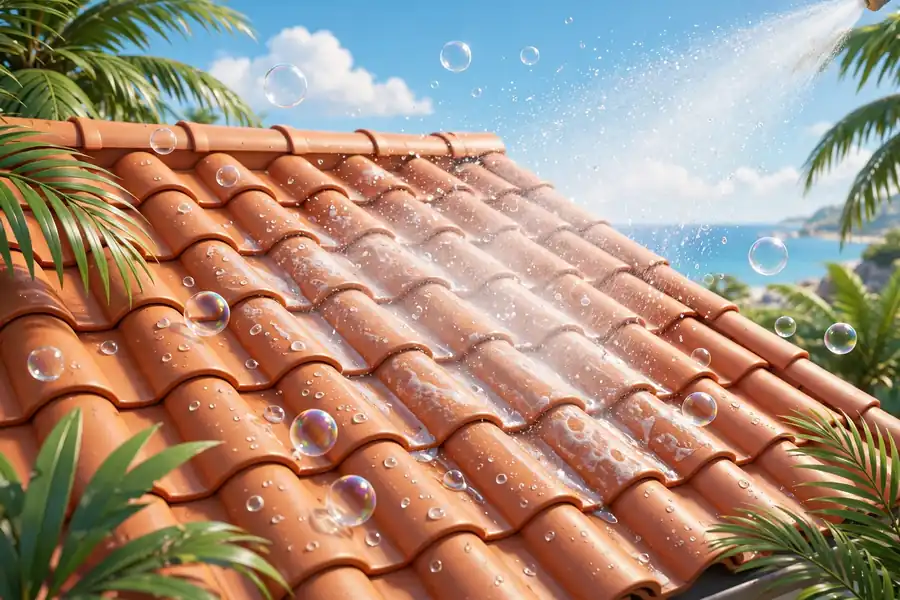
Roof materials should guide the cleaning method. Asphalt shingles, concrete tiles, clay tiles, and metal roofing have different care requirements. Manufacturer instructions should take priority over a universal cleaning routine.
For asphalt roofing, ARMA cautions against high-pressure washing because it can damage the roof. It also notes that cleaning can make surfaces slippery, reinforcing the value of professional handling.
Before scheduling work, ask how the proposed method suits the roof material, how landscaping will be protected, and how runoff will be managed. These practical details matter as much as the promised visual result.
Making Roof Care an Everyday Habit
Consistency matters more than occasional intensive work. Occasional inspection does not require a detailed checklist or specialized equipment. Simply observing the roof from ground level can reveal visible changes.
Look for missing pieces, lifted materials, displaced flashing, blocked gutters, or signs that debris is accumulating in valleys. These visible details are useful signs for deciding when a closer professional inspection might be worthwhile.
Arrange professional assessments when something appears damaged or unfamiliar, and follow maintenance guidance specific to the roofing product. Avoid climbing onto the roof simply to investigate a stain. That work belongs to someone with the correct equipment and experience.
For coastal Florida households, roof care works best as a steady habit. Paying attention to drainage, discoloration, and developing defects helps protect the home while keeping its exterior welcoming throughout the year.